Introduction
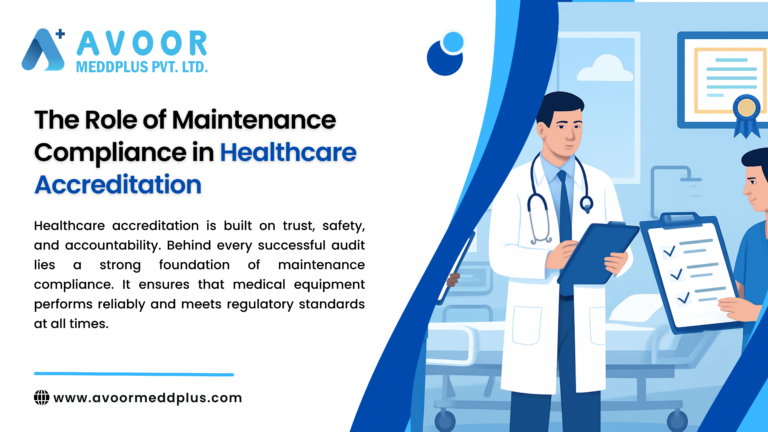
Maintenance compliance in healthcare accreditation is a critical factor that determines the safety, efficiency, and credibility of hospitals and diagnostic centers. In today’s healthcare environment, medical equipment plays a central role in diagnosis, treatment, and patient monitoring. Ensuring that this equipment is properly maintained, calibrated, and documented is essential for meeting accreditation standards and delivering high-quality patient care.
Accreditation bodies require healthcare facilities to follow strict maintenance protocols, ensuring that every device operates within defined safety and performance parameters. Failure to comply with these standards can result in audit failures, operational disruptions, and risks to patient safety.
At Avoor Meddplus Pvt Ltd, we provide structured and compliance-driven biomedical maintenance solutions that help healthcare organizations meet accreditation requirements with confidence and efficiency.
Table of Contents
- What is Maintenance Compliance in Healthcare Accreditation
- Why Maintenance Compliance Matters
- Key Requirements for Compliance
- How Maintenance Compliance Supports Accreditation
- Risks of Non-Compliance
- 7 Powerful Benefits of Maintenance Compliance
- Conclusion
What is Maintenance Compliance in Healthcare Accreditation
Maintenance compliance in healthcare accreditation refers to adhering to established guidelines and standards for maintaining medical equipment throughout its lifecycle. It ensures that all devices are regularly inspected, calibrated, and serviced according to regulatory and manufacturer requirements.
This includes:
- Preventive maintenance schedules to avoid breakdowns
- Calibration and performance testing for accuracy
- Documentation of all service and repair activities
- Safety inspections and compliance checks
- Adherence to national and international healthcare standards
These practices ensure that medical equipment consistently performs at optimal levels and supports accurate clinical outcomes.
Why Maintenance Compliance Matters
Patient Safety
Proper maintenance reduces the risk of equipment malfunction, ensuring safe and accurate diagnosis and treatment. Even small errors in equipment performance can have serious consequences for patient care.
Regulatory Approval
Healthcare accreditation depends heavily on maintenance compliance. Hospitals must demonstrate that all equipment is maintained according to required standards during audits.
Operational Efficiency
Well-maintained equipment operates smoothly, reducing downtime and improving workflow in busy healthcare environments.
Reputation and Trust
Accredited healthcare facilities gain greater trust from patients, partners, and stakeholders, enhancing their reputation in the industry.
Key Requirements for Compliance
Preventive Maintenance
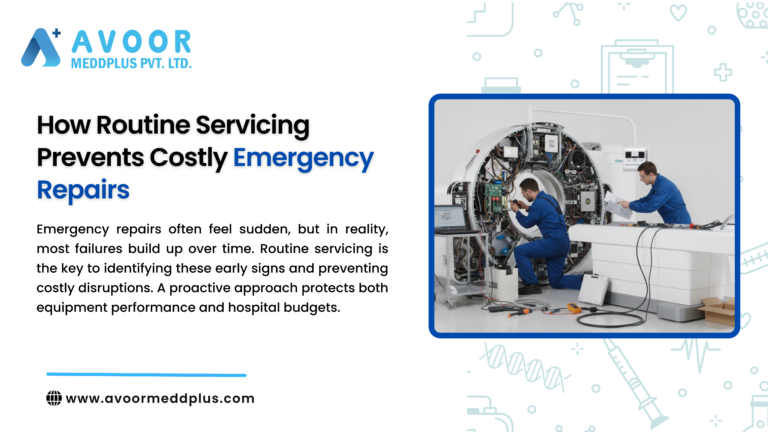
Regular servicing ensures that equipment remains reliable and minimizes the risk of sudden failures.
Calibration and Testing
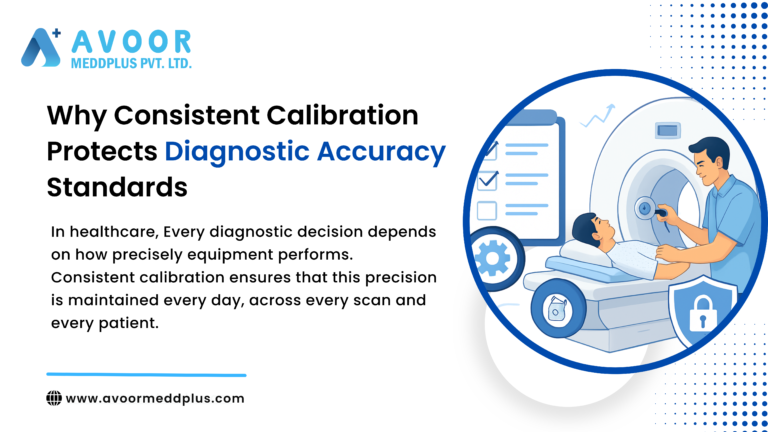
Routine calibration ensures that diagnostic devices provide accurate and consistent results.
Documentation and Record Keeping
Detailed maintenance logs are essential for audits and compliance verification.
Safety and Quality Checks
Ensuring that equipment meets safety standards protects both patients and healthcare professionals.
How Maintenance Compliance Supports Healthcare Accreditation
Ensures Audit Readiness
Proper documentation and maintenance records make it easier to pass accreditation audits without delays.
Improves Equipment Performance
Regular maintenance ensures that equipment functions efficiently and reliably.
Reduces Risk of Failures
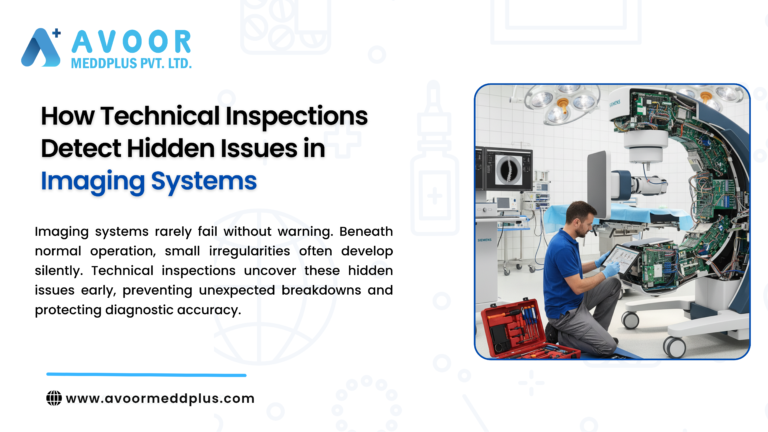
Preventive maintenance strategies help identify potential issues before they lead to breakdowns.
Enhances Clinical Outcomes
Accurate and reliable equipment directly contributes to better diagnosis and treatment.
Risks of Non-Compliance
Healthcare facilities that fail to maintain maintenance compliance in healthcare accreditation may face serious challenges, including:
- Accreditation rejection or delays
- Increased equipment downtime
- Higher maintenance and repair costs
- Patient safety risks
- Legal and regulatory penalties
These risks can significantly impact both operational performance and patient care quality.
How Avoor Meddplus Pvt Ltd Ensures Compliance
At Avoor Meddplus Pvt Ltd, we follow a structured and professional approach to ensure full compliance with healthcare accreditation standards.
Our Approach
- Customized preventive maintenance programs
- Advanced calibration and testing solutions
- Detailed documentation and reporting systems
- Compliance with national and international standards
- Experienced biomedical engineering team
We provide end-to-end lifecycle management for medical equipment, ensuring that healthcare facilities remain fully compliant at all times.
7 Powerful Benefits of Maintenance Compliance in Healthcare Accreditation
1. Improved Equipment Reliability
Regular maintenance ensures consistent and dependable equipment performance.
2. Enhanced Patient Safety
Properly maintained devices reduce risks and improve treatment outcomes.
3. Regulatory Compliance
Helps healthcare facilities meet accreditation standards without complications.
4. Reduced Downtime
Prevents unexpected failures and ensures continuous operation.
5. Cost Optimization
Minimizes repair costs and extends equipment lifespan.
6. Better Audit Readiness
Well-maintained records simplify audits and inspections.
7. Improved Healthcare Quality
Reliable equipment supports accurate diagnostics and effective treatment.
Conclusion
Maintenance compliance in healthcare accreditation is not just a regulatory requirement but a strategic approach to ensuring safety, efficiency, and excellence in healthcare delivery. By implementing structured maintenance practices, healthcare providers can enhance equipment reliability, improve patient outcomes, and maintain compliance with accreditation standards.
Partnering with Avoor Meddplus Pvt Ltd ensures access to expert biomedical services, advanced maintenance solutions, and complete compliance support, helping healthcare facilities achieve operational excellence and accreditation success.