
How Professional Maintenance Reduces Risk in Diagnostic Departments
Table of Contents
- Introduction
- What Is Professional Maintenance for Diagnostic Equipment?
- Why Risk Management Matters in Diagnostic Departments
- Key Components of Professional Maintenance
- 10 Ways Professional Maintenance Reduces Risk
- Medical Equipment That Requires Professional Maintenance
- Best Practices for Healthcare Facilities
- Why Choose Avoor Meddplus Pvt Ltd?
- Frequently Asked Questions
- Conclusion
Introduction
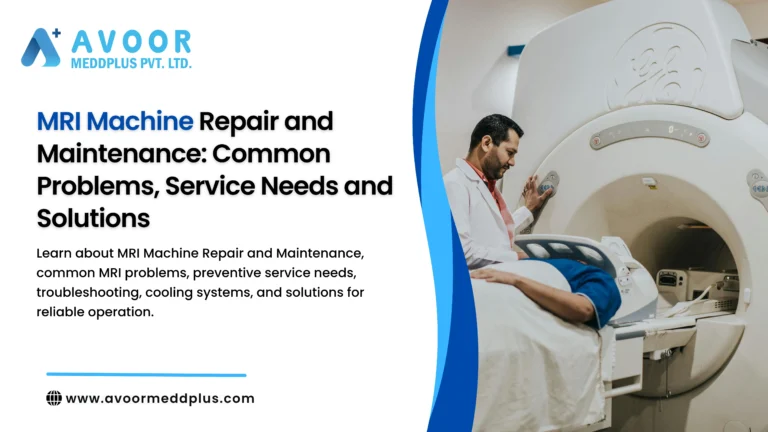
Professional Maintenance for Diagnostic Equipment is essential for ensuring safe, reliable, and uninterrupted healthcare services. Diagnostic departments rely on sophisticated imaging systems such as CT scanners, MRI machines, PET/CT systems, digital X-ray equipment, ultrasound machines, Cath Lab systems, and C-Arm units to provide accurate diagnoses and support effective treatment decisions.
When these systems are not maintained properly, healthcare facilities face increased risks, including equipment failures, inaccurate diagnostic results, prolonged downtime, regulatory compliance issues, and higher repair costs. These challenges can negatively affect patient care, hospital operations, and financial performance.
By implementing Professional Maintenance for Diagnostic Equipment, hospitals and diagnostic centers can identify potential problems early, improve equipment reliability, maintain image quality, and reduce operational risks. A structured maintenance program ensures every system operates according to manufacturer specifications while supporting continuous clinical workflows.
What Is Professional Maintenance for Diagnostic Equipment?
Understanding Professional Maintenance
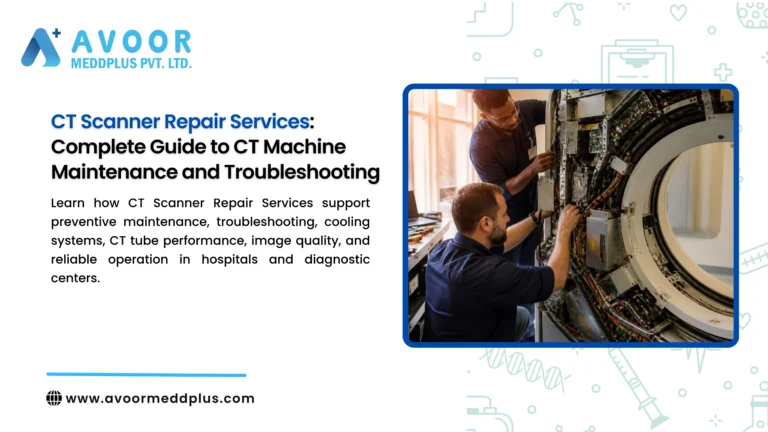
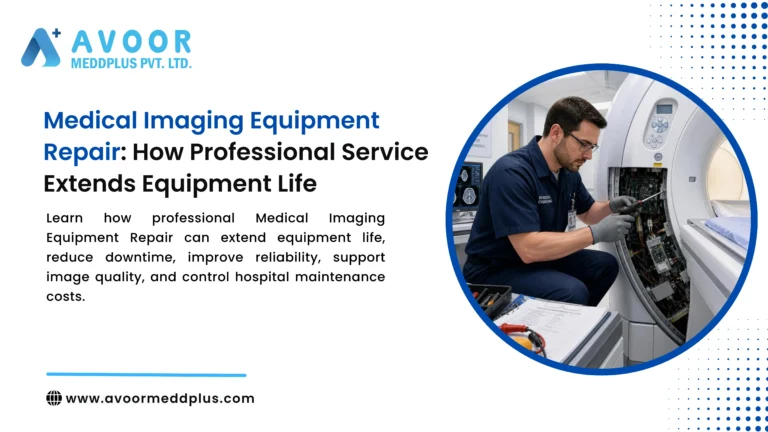
Professional Maintenance for Diagnostic Equipment refers to a comprehensive maintenance program performed by qualified biomedical engineers using standardized service procedures, specialized testing tools, and manufacturer-recommended practices.
Unlike reactive repairs that occur after a failure, professional maintenance focuses on preventing problems before they interrupt clinical operations.
A typical maintenance program includes:
- Preventive maintenance scheduling
- Visual inspections
- Electrical safety testing
- Mechanical component inspection
- Calibration verification
- Software and firmware updates
- Performance testing
- Cooling system inspection
- Image quality evaluation
- Service documentation and reporting
These activities help ensure equipment operates safely, accurately, and efficiently throughout its service life.
Why Risk Management Matters in Diagnostic Departments
Diagnostic departments are responsible for producing precise medical images that support critical healthcare decisions. Any interruption in equipment performance can delay diagnosis, increase patient waiting times, and compromise clinical outcomes.
Professional maintenance plays a key role in reducing risks associated with:
- Unexpected equipment failures
- Image quality degradation
- Electrical hazards
- Software malfunctions
- Mechanical wear
- Regulatory non-compliance
- Increased operational costs
- Emergency repairs
Healthcare facilities that prioritize preventive maintenance create a safer environment for both patients and medical professionals.
Key Components of Professional Maintenance
Preventive Maintenance Scheduling
Routine maintenance schedules ensure equipment receives regular inspections before performance declines.
Recommended maintenance activities include:
- Monthly operational inspections
- Quarterly preventive maintenance
- Semi-annual calibration
- Annual comprehensive servicing
Planned maintenance significantly reduces unexpected equipment failures.
Electrical Safety Testing
Electrical safety inspections verify that equipment complies with healthcare safety standards.
Engineers typically evaluate:
- Ground continuity
- Leakage current
- Insulation resistance
- Power supply stability
- Emergency shutdown functionality
These inspections reduce electrical hazards and improve patient safety.
Calibration and Performance Verification
Calibration ensures imaging systems continue delivering consistent, high-quality diagnostic results.
Performance verification includes:
- Image quality testing
- Detector performance checks
- Radiation output verification
- System response evaluation
- Mechanical accuracy assessment
Accurate calibration supports reliable diagnoses and minimizes the need for repeat examinations.
Software and Firmware Management
Keeping software up to date improves equipment stability and cybersecurity.
Regular updates help:
- Resolve software bugs
- Enhance system performance
- Improve compatibility
- Reduce unexpected system errors
- Protect against security vulnerabilities
10 Powerful Ways Professional Maintenance Reduces Risk
1. Improves Equipment Reliability
Routine inspections identify worn components before they fail, helping diagnostic systems operate consistently and reducing unexpected interruptions.
2. Reduces Unexpected Downtime
Professional maintenance identifies issues during planned service visits, allowing repairs to be completed before equipment becomes unavailable for patient care.
3. Enhances Patient Safety
Well-maintained equipment delivers accurate diagnostic images while reducing the risk of electrical faults, mechanical failures, and system malfunctions that could affect patient safety.
4. Maintains High Image Quality
Regular calibration and performance testing ensure CT scanners, MRI systems, digital X-ray units, and ultrasound machines continue producing clear, accurate diagnostic images.
5. Reduces Long-Term Maintenance Costs
Early detection of component wear prevents major failures, reducing emergency repair expenses and extending the operational life of expensive medical imaging equipment.
Medical Equipment That Requires Professional Maintenance
Professional maintenance is recommended for:
- CT Scanners
- MRI Systems
- PET/CT Scanners
- SPECT Systems
- Digital X-ray Equipment
- Mammography Systems
- Ultrasound Machines
- Cath Lab Equipment
- C-Arm Systems
- Fluoroscopy Systems
- PACS Servers
- Diagnostic Imaging Workstations
Each system contains complex electrical, electronic, and mechanical components that require periodic inspection to maintain reliability and performance.