
Introduction
Imaging systems are at the core of modern diagnostics. CT, PET/CT, DR, C-ARM, and SPECT/CT systems must deliver precise, consistent, and safe results every day. However, advanced technology alone cannot guarantee optimal performance. The true driver behind consistent imaging quality is disciplined maintenance and standardized service practices, structured service protocols imaging system performance.
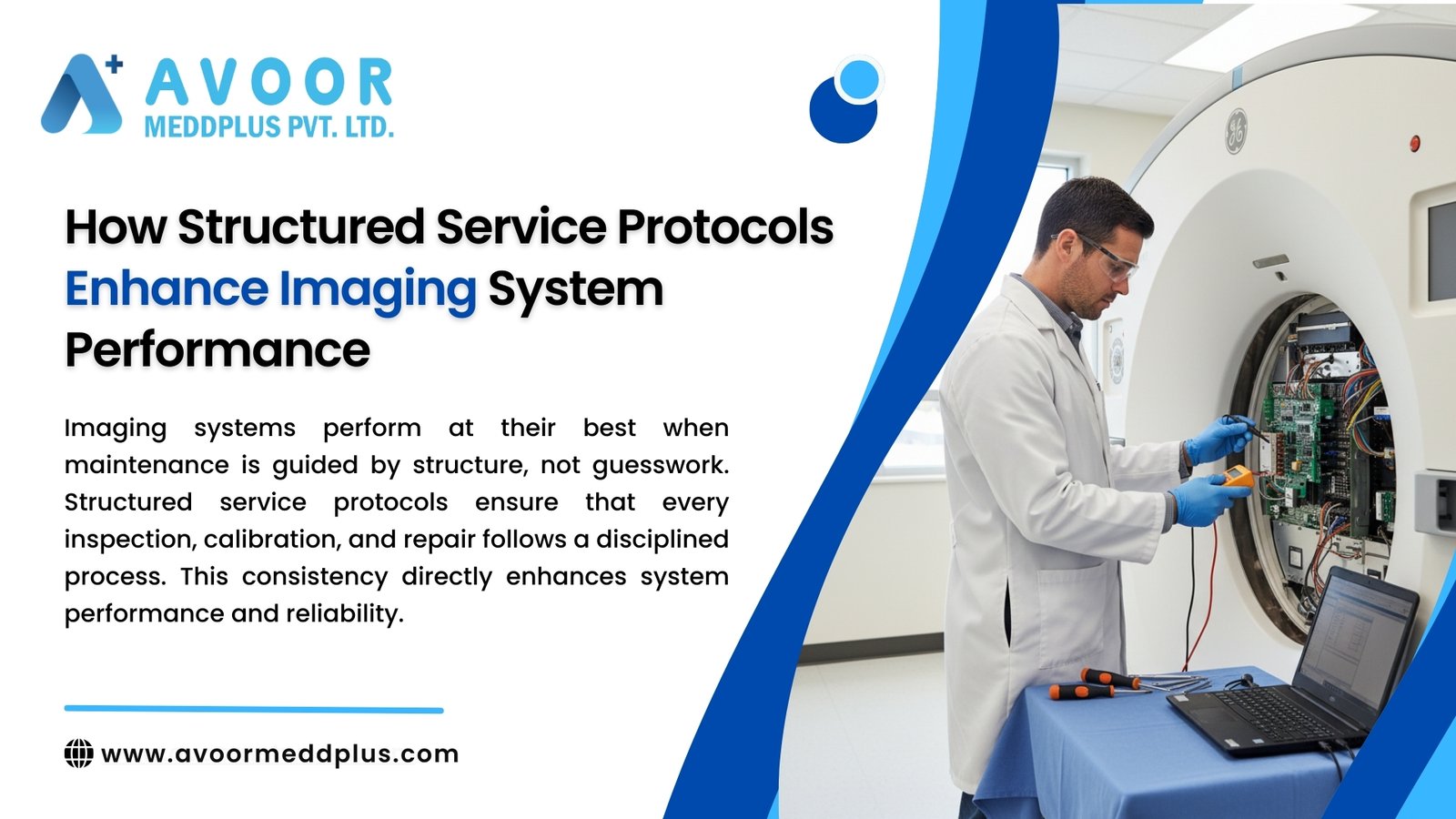
This is why structured service protocols enhance imaging system performance far more effectively than unplanned or inconsistent service approaches. Structured protocols ensure that every inspection, calibration, and repair follows defined procedures aligned with OEM standards and regulatory guidelines. At Avoor Meddplus Pvt Ltd, structured service protocols are central to maintaining imaging accuracy, uptime, and long-term system reliability.
1. What Are Structured Service Protocols?
Structured service protocols are predefined, documented, and repeatable maintenance and repair procedures applied consistently across equipment lifecycles. They eliminate guesswork and ensure uniform quality standards.
Key components include:
- Scheduled preventive maintenance
- Standardized inspection checklists
- OEM-grade calibration procedures
- Post-repair validation processes
- Safety compliance verification
- Detailed documentation and reporting
By following a structured approach, imaging system performance becomes predictable and measurable.
2. Why Imaging System Performance Requires Discipline
Imaging systems are highly sensitive to small variations in calibration, mechanical alignment, and electrical stability. Even minor inconsistencies can affect:
- Image clarity
- Radiation dose accuracy
- Diagnostic interpretation
- System stability
Without structured protocols, maintenance can become inconsistent, leading to performance drift and unexpected downtime, structured service protocols imaging system performance.
3. How Structured Service Protocols Enhance Imaging System Performance
1️⃣ Consistent Calibration Accuracy
Calibration is essential for maintaining diagnostic reliability. Structured service protocols ensure calibration is performed at scheduled intervals using standardized methods.
Benefits include:
- Stable radiation output
- Accurate detector response
- Uniform image quality
- Reduced artifacts
Consistency in calibration directly enhances imaging system performance.
2️⃣ Early Identification of Performance Deviations
Structured inspections include systematic evaluation of:
- Detector alignment
- Cooling system efficiency
- Electrical grounding
- Mechanical wear
By identifying deviations early, corrective action can be taken before performance deteriorates.
3️⃣ Standardized Post-Repair Validation
Repairs without validation can lead to recurring issues. Structured service protocols require:
- Image quality testing
- Safety checks
- Radiation dose verification
- Software and integration testing
This ensures systems are fully operational and clinically safe before returning to service.
4. 7 Key Ways Structured Service Protocols Improve Performance
1️⃣ Improved Diagnostic Accuracy
Standardized calibration maintains image clarity and measurement precision.
2️⃣ Reduced Equipment Downtime
Proactive maintenance reduces emergency breakdowns.
3️⃣ Extended Equipment Lifespan
Balanced systems experience less stress and wear.
4️⃣ Regulatory Compliance Support
Structured documentation ensures readiness for audits.
5️⃣ Enhanced Safety Assurance
Routine electrical and radiation checks reduce risk.
6️⃣ Better Workflow Stability
Reliable imaging systems prevent scheduling disruptions.
7️⃣ Increased Clinical Confidence
Consistent performance builds trust among radiologists and clinicians, structured service protocols imaging system performance.
5. Structured Protocols vs Ad-Hoc Maintenance
| Aspect | Structured Protocols | Ad-Hoc Maintenance |
|---|---|---|
| Consistency | High | Variable |
| Calibration Accuracy | Verified | Often irregular |
| Compliance | Documented | Inconsistent |
| Downtime | Reduced | Frequent |
| Performance Stability | Predictable | Uncertain |
Structured service protocols clearly outperform reactive or irregular approaches, structured service protocols imaging system performance.
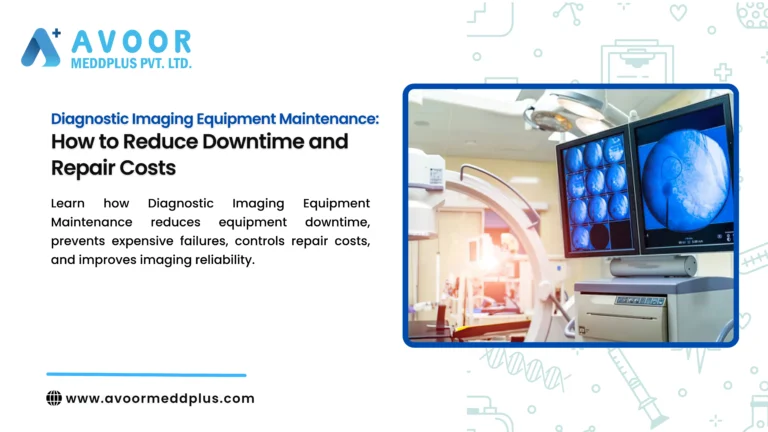
6. Application Across Imaging Modalities
CT & PET/CT Systems
- Gantry alignment checks
- Detector sensitivity testing
- Tube and cooling inspections
- Dose accuracy validation
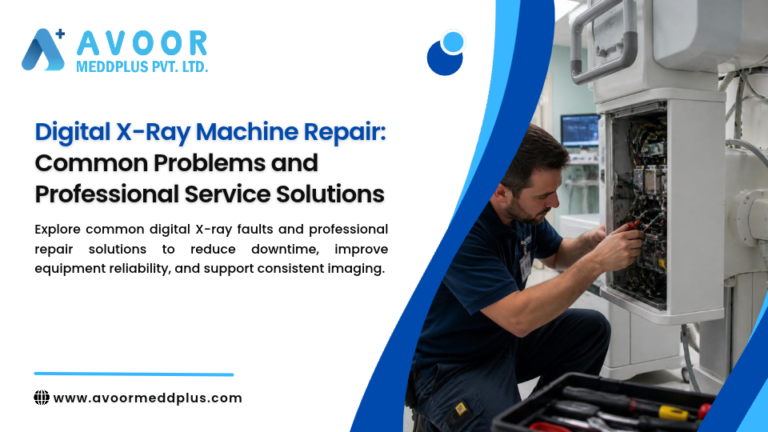
DR & CR Systems
- Flat-panel detector calibration
- Exposure linearity testing
- Image uniformity verification
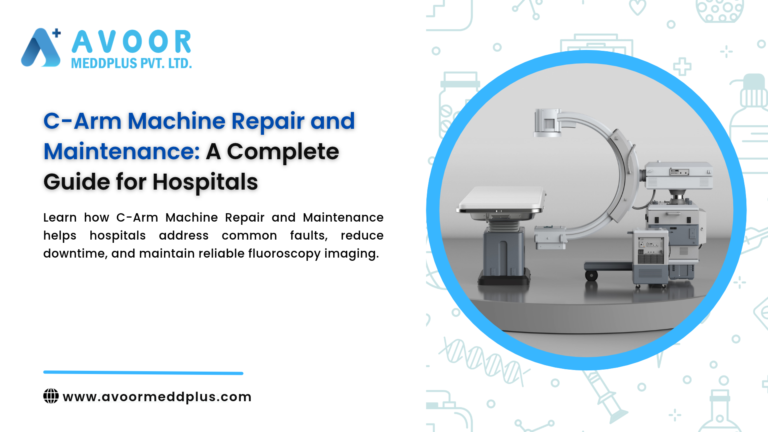
C-ARM Systems
- Fluoroscopy output accuracy
- Radiation monitoring
- Mechanical alignment checks
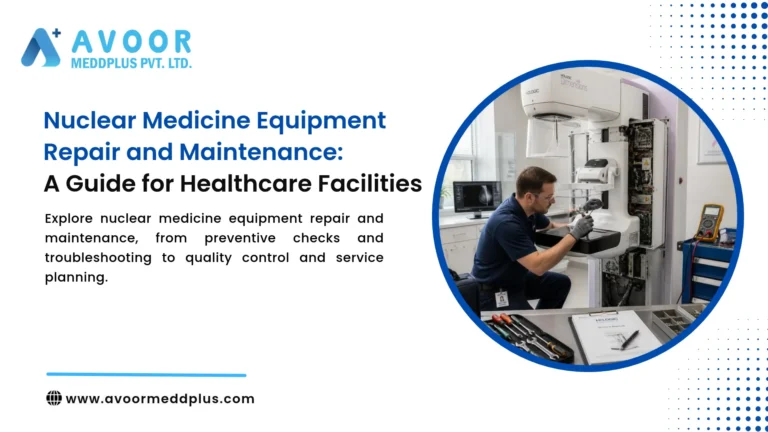
SPECT/CT & Nuclear Medicine
- Energy peaking
- Uniformity correction
- Fusion alignment testing
Each modality benefits from structured, repeatable service procedures.
7. Role of Skilled Biomedical Engineers
Structured service protocols are only effective when implemented by skilled biomedical engineers. Their expertise ensures:
- Strict adherence to service standards
- Accurate interpretation of performance data
- Safe and compliant calibration
- Detailed service documentation
Professional discipline transforms protocols into measurable performance improvements.
8. Long-Term Benefits for Healthcare Facilities
Healthcare facilities implementing structured service protocols experience:
- Stable diagnostic performance
- Lower maintenance variability
- Reduced emergency costs
- Stronger regulatory compliance
- Improved equipment ROI
Structured service becomes a strategic operational advantage rather than a routine obligation.
9. How Avoor Meddplus Pvt Ltd Implements Structured Service Protocols
Avoor Meddplus enhances imaging system performance through:
- Defined preventive maintenance frameworks
- OEM-grade calibration and validation
- PCB-level repair expertise
- Standardized safety testing
- Comprehensive documentation
- Nationwide service consistency
By following disciplined protocols,Avoor Meddplus Pvt Ltd ensures imaging systems operate at peak performance levels.
Conclusion
Imaging system performance depends on precision, consistency, and compliance. Structured service protocols enhance imaging system performance by standardizing maintenance, improving calibration accuracy, and ensuring reliable validation processes.
Hospitals that adopt structured protocols gain higher uptime, better diagnostic accuracy, and stronger regulatory readiness. With experienced partners like Avoor Meddplus Pvt Ltd, structured service transforms imaging systems into dependable clinical assets supporting accurate diagnosis and high-quality patient care every day.