Introduction
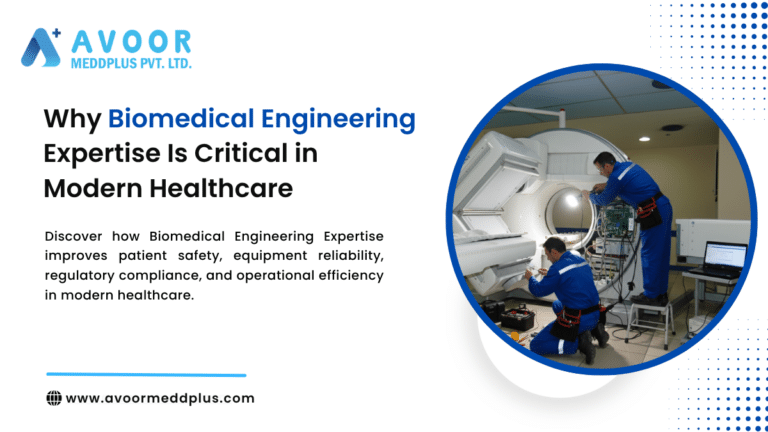
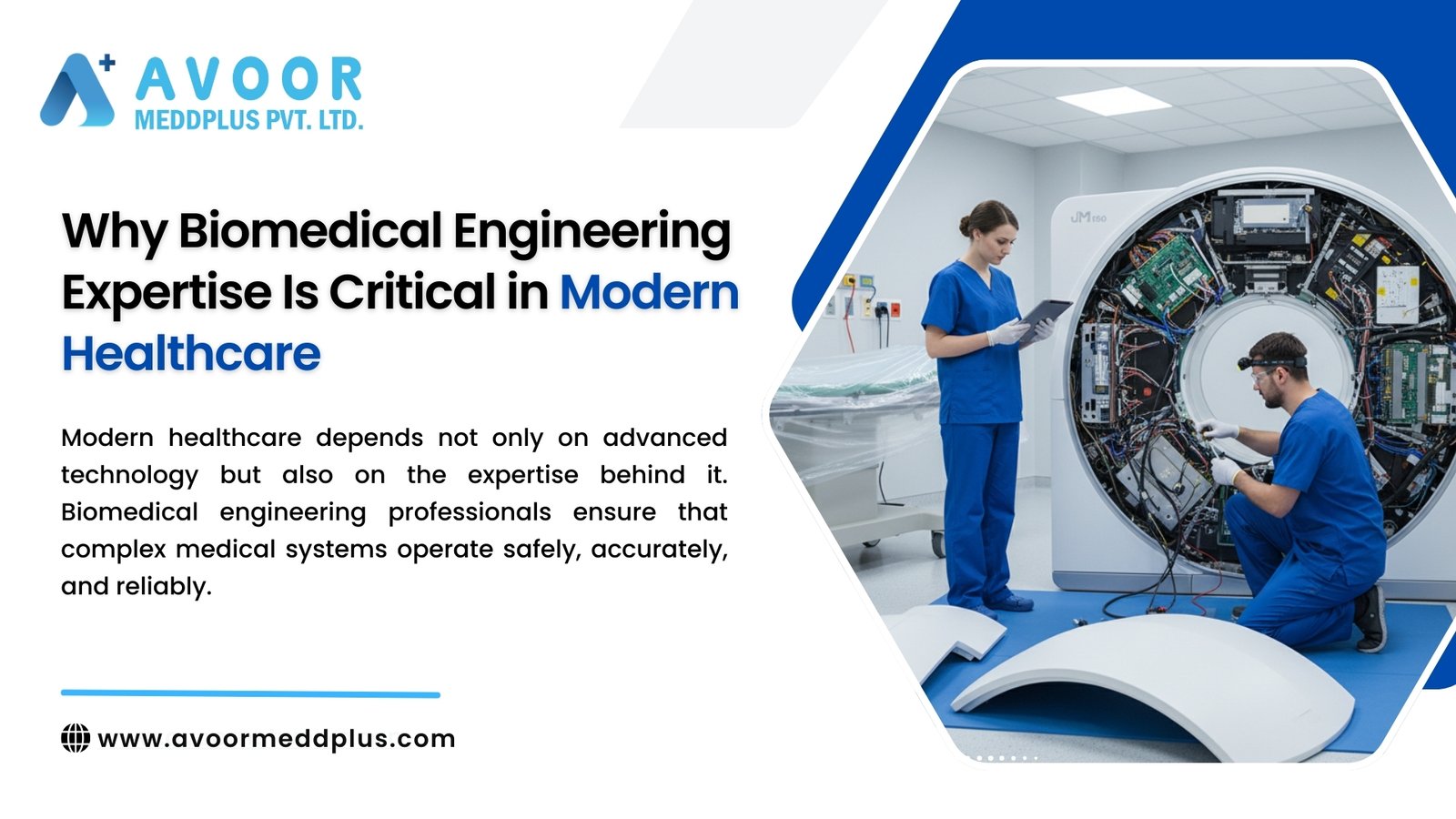
Modern healthcare depends heavily on advanced medical technology. From CT, PET/CT, MRI, DR, and C-ARM systems to life-support equipment and monitoring devices, hospitals rely on complex systems to deliver accurate diagnoses and safe treatments. However, technology alone cannot ensure performance, safety, or reliability. The expertise behind maintaining and optimizing these systems plays a crucial role, biomedical engineering expertise modern healthcare.
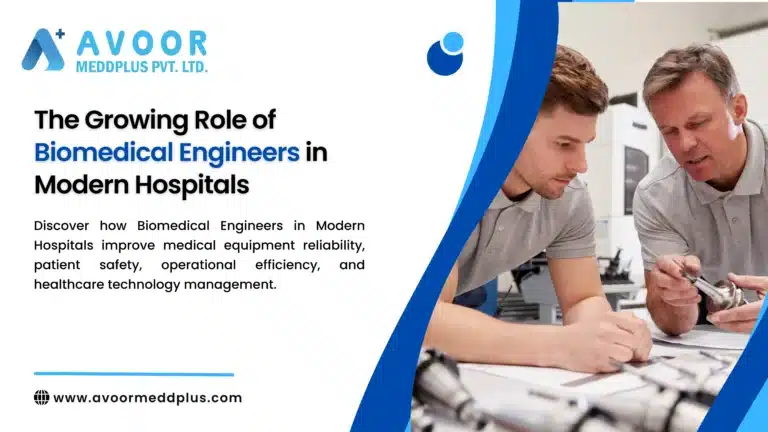
This is why biomedical engineering expertise is critical in modern healthcare. Skilled biomedical engineers bridge the gap between technology and clinical care, ensuring that medical equipment operates accurately, safely, and efficiently. At Avoor Meddplus Pvt Ltd biomedical engineering expertise forms the foundation of reliable imaging performance and structured maintenance support across healthcare facilities.
1. The Expanding Role of Technology in Healthcare
Healthcare technology has evolved significantly in the past decade. Imaging systems now integrate advanced software, AI-driven diagnostics, digital detectors, and complex calibration systems. Modern hospitals operate:
- High-resolution CT and PET/CT systems
- Digital radiography platforms
- C-ARM systems in surgical theaters
- Nuclear medicine equipment
- Integrated hospital information systems
As technology becomes more sophisticated, the need for specialized engineering expertise increases.
2. What Biomedical Engineering Expertise Involves
Biomedical engineering expertise combines knowledge of electronics, mechanics, software, physics, and healthcare safety standards. Skilled engineers are responsible for:
- Equipment installation and commissioning
- Preventive maintenance and calibration
- Troubleshooting and fault diagnosis
- Radiation and electrical safety compliance
- Performance validation
- Documentation and audit support
- biomedical engineering expertise modern healthcare
Without qualified biomedical engineers, hospitals would struggle to maintain consistent equipment performance.
3. 6 Critical Reasons Biomedical Engineering Expertise Is Essential
1️⃣ Ensuring Diagnostic Accuracy
Modern imaging systems require precise calibration and performance validation. Biomedical engineers ensure:
- Accurate radiation output
- Stable detector alignment
- Consistent image quality
- Minimal artifacts
- biomedical engineering expertise modern healthcare
Accurate equipment performance directly supports reliable clinical decisions.
2️⃣ Enhancing Patient Safety
Safety is paramount in healthcare. Biomedical engineering expertise ensures:
- Electrical safety compliance
- Radiation dose monitoring
- Equipment grounding validation
- Functional safety interlocks
- biomedical engineering expertise modern healthcare
Compliance with regulatory guidelines protects both patients and healthcare staff.
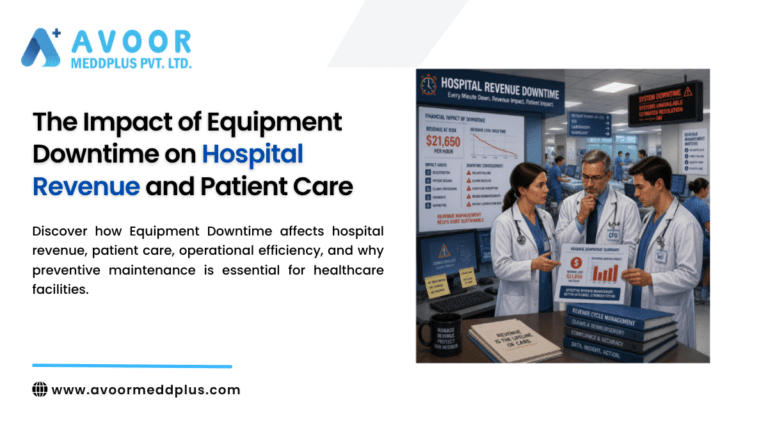
3️⃣ Reducing Equipment Downtime
Unexpected equipment failures disrupt patient care and hospital workflows. Skilled engineers can:
- Identify early warning signs
- Diagnose issues quickly
- Perform efficient repairs
- Prevent recurring breakdowns
Minimizing downtime protects both revenue and patient experience.
4️⃣ Supporting Regulatory Compliance
Hospitals must maintain accurate documentation for audits and accreditation. Biomedical engineers ensure:
- Preventive maintenance logs are updated
- Calibration certificates are valid
- Safety reports are properly documented
- Equipment performance records are traceable
Compliance reduces operational and legal risks.
5️⃣ Extending Equipment Lifespan
High-value imaging systems represent significant capital investment. Biomedical engineering expertise helps:
- Reduce mechanical stress
- Optimize cooling systems
- Stabilize electrical performance
- Prevent cascading failures
Extending equipment lifespan improves return on investment.
6️⃣ Enabling Technology Integration
Modern healthcare systems integrate imaging equipment with digital platforms, PACS, RIS, and hospital networks. Biomedical engineers facilitate:
- Software configuration
- System integration
- Data connectivity
- Performance optimization
Seamless integration improves workflow efficiency.
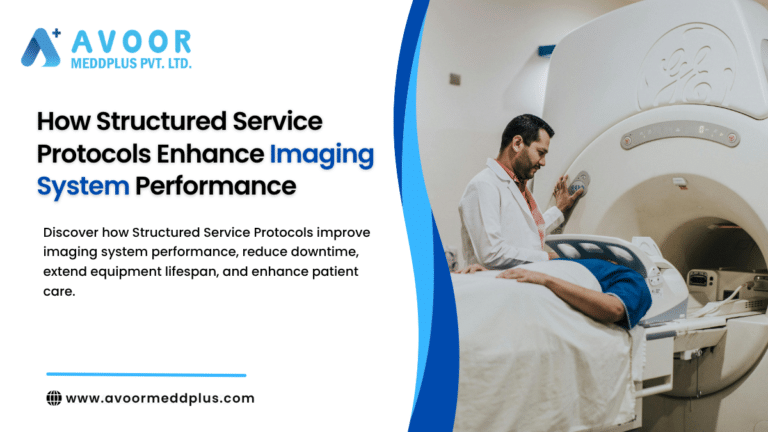
4. Impact Across Diagnostic Departments
CT & PET/CT Systems
- Gantry alignment checks
- Detector calibration
- Dose accuracy validation
- Cooling system monitoring
DR & CR Systems
- Flat-panel detector testing
- Exposure consistency verification
- Image uniformity checks
C-ARM Systems
- Fluoroscopy output stability
- Radiation dose control
- Mechanical inspection
SPECT/CT & Nuclear Medicine
- Energy peaking
- Uniformity correction
- Fusion alignment accuracy
Biomedical engineering expertise ensures each modality operates within optimal parameters.
5. Biomedical Engineers as Strategic Risk Managers
Beyond technical maintenance, biomedical engineers serve as risk managers. They proactively identify vulnerabilities that could lead to:
- Equipment failure
- Diagnostic inaccuracies
- Safety hazards
- Compliance violations
By addressing these risks early, engineers protect both clinical outcomes and operational stability.
6. Financial and Operational Value
Investing in biomedical engineering expertise delivers measurable financial benefits:
- Reduced emergency repair costs
- Lower downtime-related revenue loss
- Improved maintenance budget predictability
- Fewer repeated service visits
Operationally, skilled engineers ensure smoother workflows and stronger equipment reliability.
7. The Growing Demand for Engineering Expertise
As healthcare technology advances, the demand for highly trained biomedical engineers continues to rise. Modern systems require:
- Advanced diagnostic tools
- Firmware and software updates
- Data-driven performance monitoring
- PCB-level repair capabilities
Only qualified professionals can manage these complexities effectively.
8. How Avoor Meddplus Pvt Ltd Strengthens Healthcare Through Expertise
Avoor Meddplus Pvt Ltd delivers biomedical engineering expertise through:
- Certified and experienced engineers
- Structured preventive maintenance programs
- OEM-grade calibration and validation
- PCB-level repair capabilities
- Compliance-focused documentation
- Fast-response technical support
- Nationwide service presence
By combining technical knowledge with structured protocols, Avoor Meddplus Pvt Ltd ensures reliable, safe, and performance-driven healthcare technology support.
Conclusion
Healthcare technology continues to evolve rapidly, but its reliability depends on the expertise behind it. Biomedical engineering expertise is critical in modern healthcare because it ensures diagnostic accuracy, patient safety, regulatory compliance, and operational stability.
Hospitals that invest in skilled engineering support protect their equipment, revenue, and reputation. With experienced partners like Avoor Meddplus Pvt Ltd, healthcare facilities gain not only technical support, but a strategic advantage in delivering safe, accurate, and uninterrupted patient care.