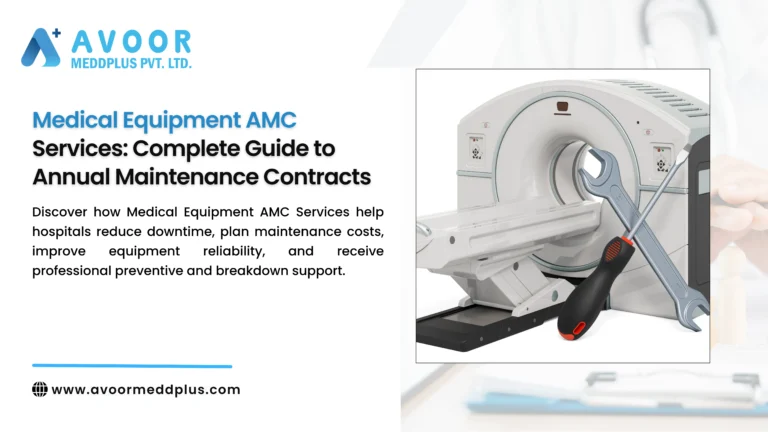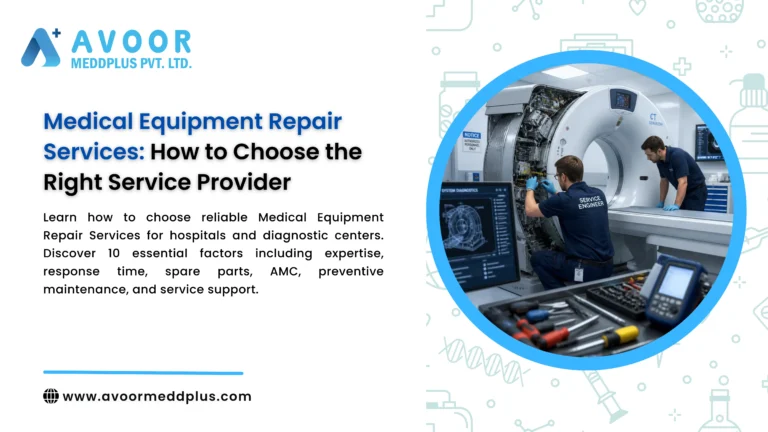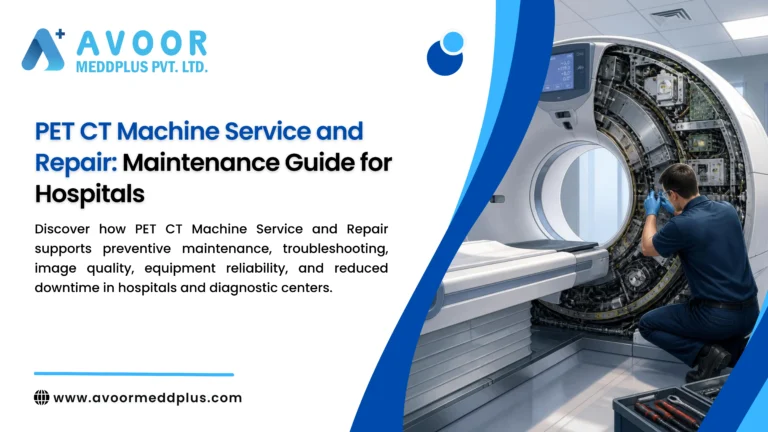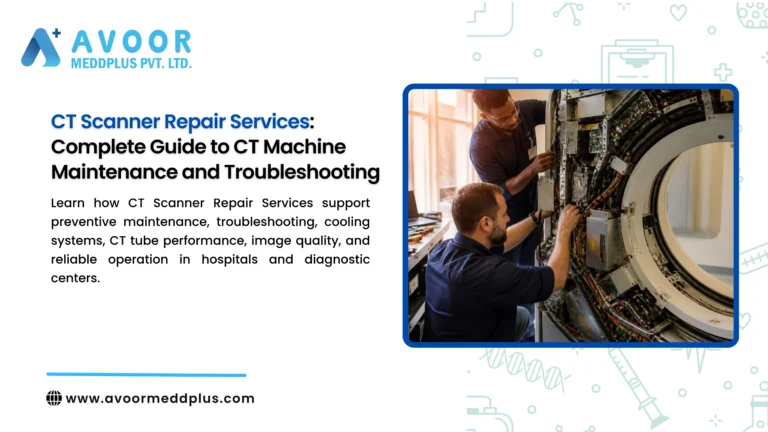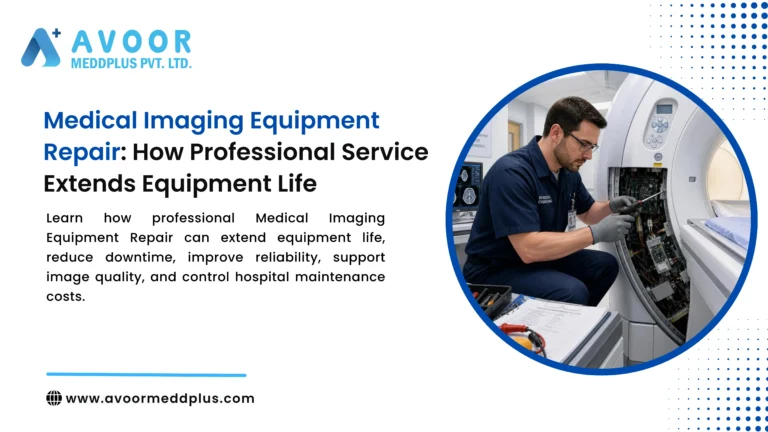

CT Scanner Repair and Maintenance is essential for hospitals and diagnostic centers that depend on computed tomography systems for fast and accurate diagnostic imaging. CT scanners are sophisticated systems combining X-ray technology, high-voltage components, detectors, mechanical assemblies, computers, software, cooling systems, and image-processing electronics.CT Scanner Repair and Maintenance.
Because CT scanners are often used throughout the day, even a relatively small technical problem can affect patient schedules and departmental workflow.
A structured maintenance program helps healthcare facilities identify developing problems, maintain equipment performance, reduce unexpected downtime, and plan repairs more effectively.CT Scanner Repair and Maintenance.
This guide explains the fundamentals of CT scanner repair and maintenance, common problems, preventive maintenance practices, warning signs, and when professional technical support should be requested.
Table of Contents
- What Is CT Scanner Repair and Maintenance?
- Why CT Scanner Maintenance Is Important
- Major Components That Require Maintenance
- 10 Essential CT Scanner Maintenance Practices
- Common CT Scanner Problems
- CT Scanner Error Codes and Warning Signs
- CT Tube Maintenance
- CT Scanner Cooling System Maintenance
- CT Calibration and Quality Control
- Preventive Maintenance Checklist
- When to Call a CT Scanner Repair Expert
- Benefits of Professional CT Scanner Service
- Why Choose Avoor Meddplus Pvt Ltd?
- Frequently Asked Questions
- Conclusion
What Is CT Scanner Repair and Maintenance?
Understanding CT Scanner Repair and Maintenance
CT Scanner Repair and Maintenance includes the inspection, testing, servicing, troubleshooting, calibration, repair, and preventive care required to keep a CT system operating safely and reliably.
Maintenance may involve:
- Mechanical inspection
- Electrical inspection
- X-ray tube assessment
- Detector checks
- Gantry inspection
- Table inspection
- Cooling-system checks
- Power-supply inspection
- Electronic diagnostics
- Software and system checks
- Image-quality verification
- Calibration
- Error-log analysis
- Preventive replacement of specified components
The exact maintenance requirements depend on the CT scanner manufacturer, model, configuration, workload, age, and applicable service documentation.
Why CT Scanner Maintenance Is Important
CT scanners represent a significant investment for healthcare facilities. Maintaining them properly can help protect that investment while supporting clinical availability.
1. Reduces Unexpected Downtime
A CT scanner failure can interrupt scheduled examinations and affect patient flow.
Preventive maintenance helps identify potential problems before they become major breakdowns.
2. Supports Consistent Imaging Performance
CT image quality depends on the coordinated performance of the X-ray tube, detectors, data acquisition electronics, mechanical systems, software, and reconstruction components.
Regular inspection and quality-control procedures help identify changes in system performance.
3. Helps Protect Expensive Components
Components such as X-ray tubes, detectors, high-voltage assemblies, and electronic boards can be expensive to replace.
Proper maintenance can help identify conditions that may contribute to premature component failure.
4. Improves Equipment Availability
Reliable CT equipment allows hospitals and diagnostic centers to maintain their imaging schedules more effectively.
5. Supports Patient Safety
Maintenance and quality-control procedures are important parts of maintaining imaging equipment in appropriate operating condition.
CT systems use ionizing radiation, so radiation safety, equipment performance, and quality-control requirements should be addressed according to applicable regulations and professional guidance.
Major CT Scanner Components That Require Maintenance
X-Ray Tube
The X-ray tube is one of the most important and heavily utilized components in a CT scanner.
Maintenance considerations include:
- Tube operating condition
- Tube temperature
- Warm-up procedures
- Cooling performance
- Tube loading
- Error history
Excessive thermal stress or improper operating conditions can contribute to tube-related problems.
Detector System
The detector system receives X-ray information after it passes through the patient.
Detector-related problems can contribute to:
- Image artifacts
- Calibration errors
- Image-quality changes
- Data acquisition problems
Gantry
The gantry contains rotating and stationary components that must operate accurately.
Maintenance may include checking:
- Rotation
- Mechanical movement
- Bearings
- Positioning
- Cables
- Mechanical alignment
Patient Table
The table must move accurately and reliably during examinations.
Inspection can include:
- Vertical movement
- Horizontal movement
- Position accuracy
- Locking mechanisms
- Mechanical condition
High-Voltage System
The high-voltage system supplies the energy required for X-ray generation.
Electrical problems can affect scanner operation and should only be diagnosed and serviced by appropriately qualified personnel.
Cooling System
The CT system generates significant heat during operation.
Cooling-system maintenance may involve:
- Fans
- Pumps
- Heat exchangers
- Cooling circuits
- Filters
- Temperature sensors
- Environmental conditions
Poor cooling can contribute to thermal warnings and equipment downtime.
Computer and Electronics
Modern CT scanners depend on computers, control boards, power supplies, data acquisition electronics, and communication interfaces.
Electronic faults may appear as:
- Error messages
- System freezes
- Unexpected restarts
- Communication failures
- Calibration failures
10 Essential CT Scanner Maintenance Practices
1. Follow the Manufacturer’s Maintenance Schedule
The manufacturer’s service documentation should be the primary reference for maintenance requirements.
Different CT models have different:
- Service intervals
- Calibration requirements
- Component specifications
- Cooling systems
- Diagnostic procedures
A generic maintenance schedule should not replace manufacturer-specific requirements.
2. Monitor Error Codes
Repeated error codes can provide valuable information about developing equipment problems.
Record:
- Error code
- Date
- Time
- Operating condition
- Frequency
- Actions taken
A pattern of recurring errors should be investigated rather than repeatedly reset.
3. Inspect the Cooling System
Cooling performance is critical for CT equipment.
Technicians may inspect applicable:
- Cooling circuits
- Fans
- Pumps
- Heat exchangers
- Filters
- Temperature sensors
- Environmental conditions
Cooling-system requirements vary by manufacturer and model.
4. Check the X-Ray Tube
Tube-related maintenance should follow the manufacturer’s approved procedures.CT Scanner Repair and Maintenance.
Potential warning signs include:
- Tube overheating
- Repeated tube-related errors
- Longer cooling periods
- Unexpected scan interruptions
- Abnormal operating behavior
A qualified service engineer should diagnose persistent tube problems.
5. Inspect Gantry Movement
The gantry must rotate smoothly and accurately.
Unusual vibration, noise, or movement should be investigated.
6. Check the Patient Table
Table movement is important for accurate patient positioning.
Maintenance can include checking movement, positioning accuracy, mechanical condition, and safety features.
7. Perform Required Calibration
Calibration helps maintain appropriate system performance.
The required calibration procedures depend on the scanner manufacturer and model.
8. Monitor Image Quality
Changes in image quality can indicate many possible issues.
Potential symptoms include:
- Increased noise
- Artifacts
- Non-uniformity
- Ring artifacts
- Streaks
- Unexpected image changes
Image-quality issues require systematic diagnosis rather than assuming a single component is responsible.
9. Review Service and Maintenance Records
Maintain a history of:
- Repairs
- Error codes
- Calibration
- Preventive maintenance
- Component replacement
- Tube replacement
- Service visits
A complete maintenance history helps engineers identify recurring problems.
10. Schedule Professional Preventive Maintenance
Professional preventive maintenance should be performed according to the manufacturer’s recommendations and the healthcare facility’s maintenance program.
Common CT Scanner Problems
CT Tube Overheating
Tube overheating can occur when the X-ray tube reaches a thermal condition that limits operation.
Possible contributing factors can include:
- High workload
- Cooling-system problems
- Environmental conditions
- Component faults
- Equipment-specific operating conditions
A CT scanner’s thermal management system should be maintained according to manufacturer specifications.
Image Artifacts
Artifacts may appear as:
- Rings
- Lines
- Streaks
- Shading
- Noise
- Non-uniformity
Potential causes vary and may involve detectors, calibration, patient positioning, mechanical systems, software, or other components.
Gantry Noise
New or unusual sounds may indicate a mechanical or electrical issue.
Possible sources include:
- Bearings
- Fans
- Motors
- Mechanical assemblies
- Cooling components
Communication Errors
Communication faults can occur between:
- Gantry
- Control console
- Data acquisition system
- Reconstruction computer
- Network
- PACS
The exact cause should be professionally diagnosed.
System Freezing or Restarting
Repeated freezes or unexpected restarts may be related to:
- Power problems
- Electronic faults
- Computer hardware
- Software
- Overheating
- Communication problems
CT Scanner Error Codes and Warning Signs
Error codes should be treated as diagnostic information rather than simply messages to clear.
Common warning signs include:
- Repeated error codes
- Calibration failures
- Tube-temperature warnings
- Gantry errors
- Detector errors
- Communication failures
- Unexpected system shutdowns
- Slow startup
- Image-quality changes
- Repeated self-test failures
If an error repeatedly appears, record the exact message and contact qualified technical support.
CT Tube Maintenance
Why CT Tube Maintenance Matters
The X-ray tube is a critical and high-value CT component.
Proper maintenance can help identify conditions associated with:
- Excessive heat
- Abnormal tube loading
- Cooling problems
- Tube-related error codes
- Unusual operating behavior
CT tube warm-up and operating procedures should follow the manufacturer’s instructions.
Healthcare facilities should avoid attempting unauthorized tube repairs or high-voltage servicing.
Only appropriately trained and qualified personnel should work on high-voltage CT components.
CT Scanner Cooling System Maintenance
Cooling is an important part of CT scanner reliability.
A cooling problem can potentially lead to:
- Overheating warnings
- Longer cooling periods
- Scan interruptions
- Protective shutdowns
- Component stress
Preventive inspections may include applicable:
- Fans
- Pumps
- Heat exchangers
- Cooling fluid
- Temperature sensors
- Filters
- HVAC conditions
The specific cooling architecture varies between CT systems, so maintenance should always follow the manufacturer’s technical requirements.
CT Calibration and Quality Control
Calibration and quality control are essential components of a comprehensive CT maintenance program.
Depending on the system and applicable requirements, quality-control activities may evaluate:
- Image quality
- CT number accuracy
- Uniformity
- Noise
- Spatial resolution
- Low-contrast performance
- Artifact levels
- Radiation output
The exact tests, frequencies, tolerances, and acceptance criteria should be established according to applicable regulatory requirements, professional guidance, and manufacturer documentation.
Quality-control testing should be performed by appropriately qualified personnel.
CT Scanner Preventive Maintenance Checklist
Equipment Condition
- Review equipment service history
- Review recurring error codes
- Inspect external equipment condition
- Check gantry operation
- Check table movement
- Inspect applicable accessories
Cooling System
- Check environmental conditions
- Inspect applicable cooling components
- Check filters where applicable
- Review temperature-related alarms
- Inspect for visible leakage where applicable
Electronics
- Review electronic error history
- Check power-related warnings
- Inspect accessible connections according to manufacturer procedures
- Evaluate recurring communication faults
Imaging Performance
- Perform required calibration
- Review image-quality results
- Investigate recurring artifacts
- Verify applicable quality-control parameters
Documentation
- Update maintenance records
- Record completed service
- Document replaced components
- Record calibration results
- Schedule next maintenance
When to Call a CT Scanner Repair Expert
Professional service should be requested when:
- The CT scanner repeatedly displays the same error
- The equipment unexpectedly shuts down
- Tube overheating occurs frequently
- Cooling alarms appear
- Image quality changes unexpectedly
- Gantry movement becomes abnormal
- The patient table does not move correctly
- Calibration repeatedly fails
- Communication errors occur
- The scanner becomes unavailable during clinical operation
Early intervention can sometimes prevent a developing issue from becoming a more disruptive failure.
Benefits of Professional CT Scanner Service
Professional CT scanner service can help healthcare facilities with:
Preventive Maintenance
Scheduled inspections help identify developing issues.
Corrective Repair
Qualified technicians can diagnose and repair equipment faults.
Technical Diagnostics
System logs and equipment behavior can be analyzed to identify possible root causes.
Component Support
Appropriate replacement components can be sourced and installed according to equipment requirements.
Reduced Downtime
Planned maintenance and timely repairs can help improve equipment availability.
Maintenance Planning
Service records can support future maintenance and budgeting decisions.
CT Scanner AMC and CAMC Services
Hospitals and diagnostic centers may consider structured maintenance agreements such as:
AMC — Annual Maintenance Contract
AMC arrangements can provide scheduled preventive maintenance and defined service support according to the agreement.
CAMC — Comprehensive Annual Maintenance Contract
CAMC arrangements may include broader coverage depending on the contract, equipment, parts, labor, and exclusions.
The scope should always be clearly defined before entering into a maintenance agreement.
Why Choose Avoor Meddplus Pvt Ltd?
Avoor Meddplus Pvt Ltd provides professional CT Scanner Repair and Maintenance support for hospitals, diagnostic centers, and healthcare facilities.
Our service capabilities include:
- CT Scanner Repair
- CT Preventive Maintenance
- CT Tube Technical Support
- CT Cooling-System Inspection
- CT Calibration Support
- CT Error Diagnostics
- Medical Equipment PCB Repair
- Electronic Fault Diagnosis
- AMC Services
- CAMC Services
- Per-Call Technical Support
- Medical Imaging Spare Parts
- Installation and Commissioning Support
Our approach focuses on identifying the underlying cause of equipment problems rather than simply clearing error messages or replacing components without proper diagnosis.
For healthcare facilities operating critical CT equipment, professional preventive maintenance can help improve equipment reliability and reduce avoidable interruptions.
Frequently Asked Questions
How often should a CT scanner be serviced?
The recommended maintenance frequency varies by manufacturer, model, workload, age, and service requirements. Facilities should follow the manufacturer’s maintenance schedule and applicable quality-control requirements.
What is included in CT scanner maintenance?
Depending on the service scope, maintenance may include mechanical inspection, electrical checks, cooling-system inspection, error-log review, calibration, image-quality testing, and other manufacturer-specific procedures.
What are common CT scanner failures?
Common problems can involve X-ray tubes, cooling systems, detectors, electronics, power supplies, mechanical components, communication systems, computers, and software.
How can CT tube failure be prevented?
Following manufacturer operating procedures, appropriate tube warm-up protocols, cooling requirements, workload recommendations, and preventive maintenance procedures can help support tube reliability.
Why does my CT scanner keep showing an error code?
Recurring error codes may indicate an underlying hardware, software, cooling, electrical, calibration, or communication problem. The exact error code and system model are needed for proper diagnosis.
Can CT scanner maintenance improve image quality?
Maintenance and appropriate quality-control procedures can help identify equipment-performance problems that may affect image quality. Image quality also depends on protocols, patient factors, reconstruction settings, and other variables.
Is CT scanner preventive maintenance necessary?
Yes. Preventive maintenance is an important part of managing complex medical imaging equipment and can help identify developing problems before they cause unexpected downtime.
What is the difference between CT scanner AMC and CAMC?
An AMC generally provides maintenance and service coverage according to the contract. CAMC can provide broader comprehensive coverage, potentially including specified parts and labor. Exact coverage depends on the contract.
Can an old CT scanner still be maintained?
In many cases, older systems can continue to receive maintenance, but parts availability, manufacturer support, software compatibility, equipment condition, and service expertise become increasingly important.
Conclusion
CT Scanner Repair and Maintenance is an essential part of keeping hospitals and diagnostic centers operational, efficient, and prepared for patient demand.
A CT scanner is not a single machine but a complex combination of X-ray, mechanical, electronic, computing, cooling, detector, and software systems. Problems in any of these areas can affect equipment availability and performance.
A comprehensive maintenance strategy should include preventive inspections, error monitoring, cooling-system checks, CT tube care, calibration, quality-control testing, service documentation, and timely professional repair.
The most important principle is to address recurring warning signs early.
Repeated error codes, overheating warnings, unusual gantry sounds, image-quality changes, communication problems, unexpected restarts, and calibration failures should not simply be ignored.
With appropriate preventive maintenance and professional technical support, healthcare facilities can better manage their CT equipment and reduce avoidable disruptions.
Need CT Scanner Repair and Maintenance Support?
Avoor Meddplus Pvt Ltd provides professional CT scanner service and maintenance support, including:
- CT Scanner Repair
- Preventive Maintenance
- CT Tube Support
- Cooling-System Maintenance
- Error Diagnostics
- Calibration Support
- PCB Repair
- AMC & CAMC Services
- Spare Parts Support
- Installation & Commissioning
Contact Avoor Meddplus Pvt Ltd for professional CT scanner repair, preventive maintenance, and technical support.