
Introduction
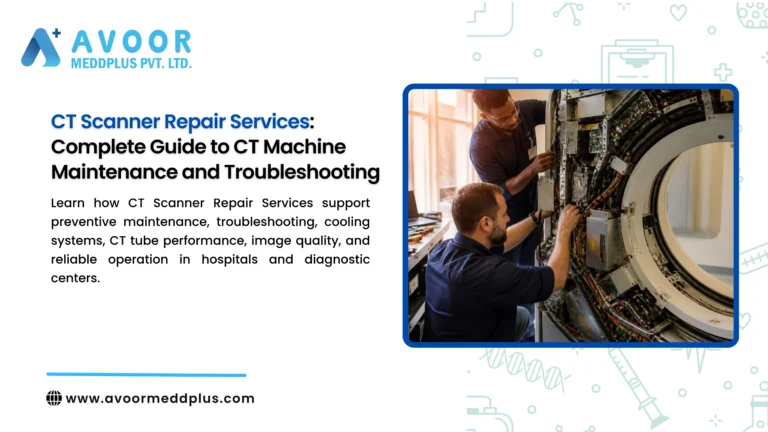
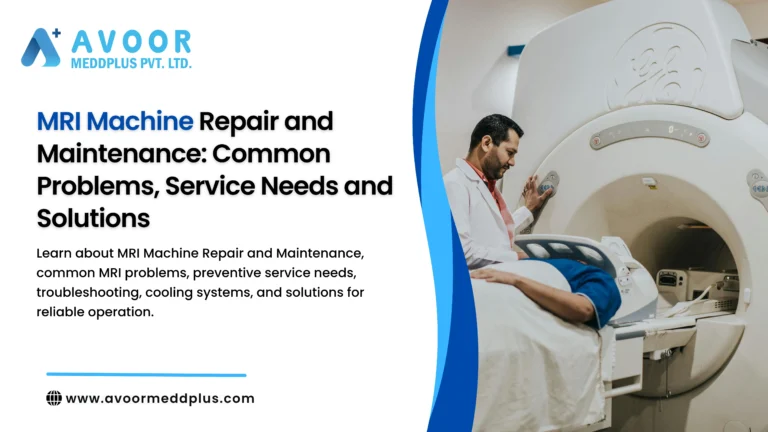
Medical Equipment Maintenance is a fundamental component of delivering safe, reliable, and high-quality healthcare services. Modern hospitals, diagnostic centers, and healthcare institutions rely on sophisticated medical imaging and diagnostic systems to provide accurate clinical information that supports timely diagnosis and effective treatment. Equipment such as CT scanners, MRI systems, PET/CT scanners, digital X-ray machines, ultrasound systems, Cath Lab equipment, and mammography units must operate at peak performance to meet healthcare quality standards and ensure patient safety.
Healthcare quality standards emphasize reliability, accuracy, safety, and operational efficiency. Without a structured maintenance program, medical equipment can experience unexpected failures, inaccurate performance, prolonged downtime, and increased repair costs. These issues can affect patient outcomes, disrupt hospital operations, and impact regulatory compliance.
By implementing comprehensive Medical Equipment Maintenance, healthcare facilities can improve equipment performance, extend system lifespan, reduce operational risks, and maintain compliance with recognized quality standards.
What Is Medical Equipment Maintenance?
Understanding Medical Equipment Maintenance
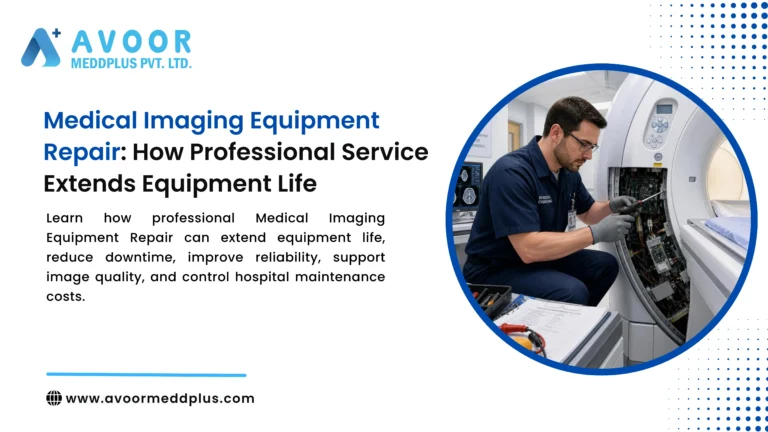
Medical Equipment Maintenance refers to the scheduled inspection, testing, calibration, servicing, and repair of medical devices to ensure they continue operating safely and efficiently throughout their lifecycle.
Maintenance programs are designed to detect potential issues before they result in equipment failure, helping healthcare organizations maintain uninterrupted clinical services.
A comprehensive maintenance program typically includes:
- Preventive maintenance scheduling
- Visual inspections
- Electrical safety testing
- Mechanical component evaluation
- Calibration verification
- Performance testing
- Software and firmware updates
- Cooling system maintenance
- Image quality assessment
- Service documentation
Routine maintenance protects valuable medical assets while improving operational reliability.
Understanding Healthcare Quality Standards
Healthcare quality standards are established to ensure that hospitals and healthcare providers consistently deliver safe, effective, and reliable patient care. These standards encourage healthcare organizations to maintain properly functioning equipment, implement risk management practices, and document maintenance activities.
Medical equipment maintenance supports quality objectives by helping healthcare facilities:
- Improve patient safety
- Maintain diagnostic accuracy
- Reduce equipment downtime
- Support preventive maintenance programs
- Improve operational efficiency
- Extend equipment lifespan
- Maintain service documentation
- Prepare for quality audits and inspections
Following structured maintenance procedures contributes to continuous improvement across clinical and technical operations.
Why Medical Equipment Maintenance Is Essential
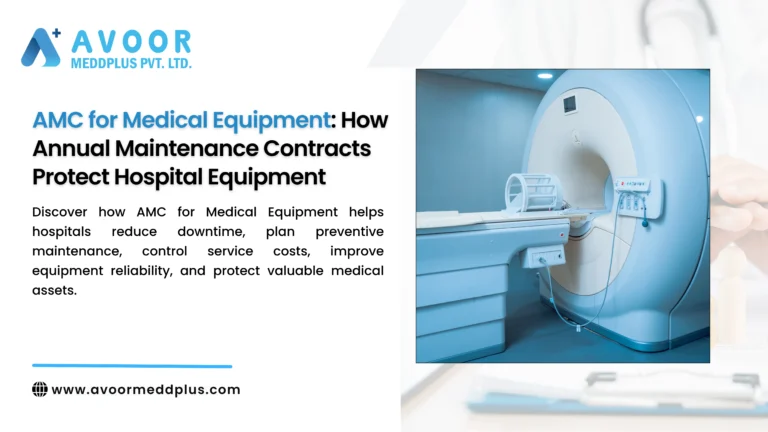
Medical equipment is a significant investment for every healthcare organization. Routine maintenance helps protect this investment while ensuring dependable clinical performance.
Healthcare facilities benefit from regular maintenance through:
- Improved equipment reliability
- Reduced emergency repairs
- Consistent image quality
- Better patient outcomes
- Lower operating costs
- Increased equipment availability
- Enhanced staff confidence
- Improved workflow efficiency
Preventive maintenance also reduces the likelihood of unexpected failures that could delay patient diagnosis or treatment.
10 Powerful Ways Medical Equipment Maintenance Supports Healthcare Quality Standards
1. Improves Patient Safety
Properly maintained medical equipment helps reduce clinical risks by ensuring accurate performance, stable operation, and reliable diagnostic results.
Routine inspections identify safety concerns before they affect patients or healthcare professionals.
2. Maintains Diagnostic Accuracy
Calibration, performance verification, and image quality testing help imaging systems consistently produce reliable clinical results.
Accurate diagnostics support better treatment decisions and improved patient outcomes.
3. Reduces Equipment Downtime
Preventive maintenance identifies worn components before they fail, minimizing unexpected interruptions and improving equipment availability.
4. Extends Equipment Lifespan
Routine servicing protects expensive components from excessive wear, helping hospitals maximize the return on their investment in medical technology.
5. Improves Operational Efficiency
Reliable equipment allows healthcare professionals to maintain patient schedules, reduce delays, and improve workflow throughout diagnostic departments.
Medical Equipment That Requires Routine Maintenance
Routine Medical Equipment Maintenance should be performed on:
- CT Scanners
- MRI Systems
- PET/CT Scanners
- SPECT Systems
- Digital X-ray Equipment
- Mammography Systems
- Ultrasound Machines
- Cath Lab Systems
- C-Arm Equipment
- Fluoroscopy Systems
- PACS Servers
- Medical Imaging Workstations
These systems contain sophisticated electrical, mechanical, and software components that require scheduled inspections and preventive maintenance to ensure consistent performance.