
Introduction
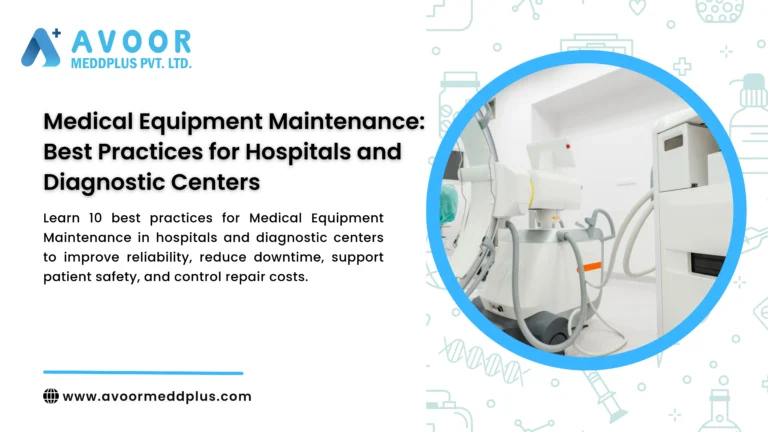
Medical Imaging Equipment Maintenance is essential for ensuring the safe, reliable, and efficient operation of diagnostic imaging systems used in modern healthcare. Hospitals, diagnostic centers, and specialty clinics depend on advanced technologies such as CT scanners, MRI systems, PET/CT scanners, digital X-ray machines, ultrasound systems, Cath Lab equipment, C-Arm systems, and mammography units to deliver accurate diagnoses and quality patient care.
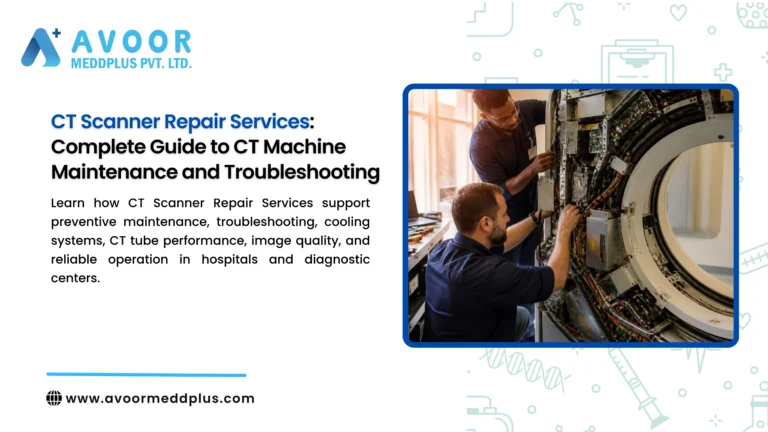
These systems operate in demanding clinical environments and contain sophisticated electronic, mechanical, and software components. Without routine maintenance, equipment performance may decline over time, resulting in unexpected downtime, poor image quality, higher repair costs, and disruptions to patient services.
By implementing structured Medical Imaging Equipment Maintenance practices, healthcare facilities can improve equipment reliability, extend system lifespan, enhance diagnostic accuracy, and support continuous clinical operations.
What Is Medical Imaging Equipment Maintenance?
Understanding Medical Imaging Equipment Maintenance
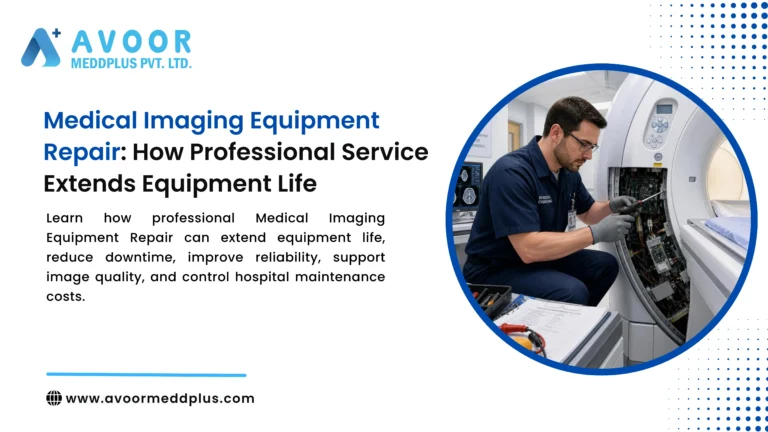
Medical Imaging Equipment Maintenance is a planned process of inspecting, testing, calibrating, cleaning, servicing, and repairing imaging systems to ensure they continue operating according to manufacturer specifications and healthcare quality standards.
Unlike reactive repairs that occur after equipment failure, preventive maintenance identifies potential problems before they impact patient care.
A comprehensive maintenance program typically includes:
- Scheduled preventive maintenance
- Visual inspections
- Electrical safety testing
- Calibration verification
- Performance testing
- Mechanical component inspections
- Cooling system maintenance
- Software and firmware updates
- Image quality evaluation
- Service documentation
Regular maintenance protects valuable equipment while reducing operational risks.
Why Maintenance Is Essential for Imaging Systems
Medical imaging systems play a central role in diagnosis, treatment planning, and patient monitoring. Reliable equipment is essential for producing accurate images and maintaining efficient clinical workflows.
Effective Medical Imaging Equipment Maintenance helps healthcare organizations:
- Improve equipment reliability
- Reduce unexpected downtime
- Maintain diagnostic image quality
- Enhance patient safety
- Extend equipment lifespan
- Reduce emergency repair costs
- Improve operational efficiency
- Support regulatory compliance
Hospitals that invest in preventive maintenance experience fewer service interruptions and greater long-term value from their imaging systems.
Core Elements of an Effective Maintenance Program
Preventive Maintenance Scheduling
Routine maintenance schedules help identify developing issues before they become major failures.
Recommended maintenance intervals include:
- Monthly operational inspections
- Quarterly preventive maintenance
- Semi-annual calibration
- Annual comprehensive servicing
Following a structured schedule improves equipment availability and reliability.
Electrical Safety Testing
Electrical safety inspections ensure imaging equipment operates safely in clinical environments.
Testing typically includes:
- Leakage current measurement
- Ground continuity verification
- Insulation resistance testing
- Power supply evaluation
- Emergency shutdown testing
These inspections help protect both patients and healthcare professionals.
Calibration and Performance Verification
Calibration is essential for maintaining accurate imaging performance.
Routine verification includes:
- CT image quality assessment
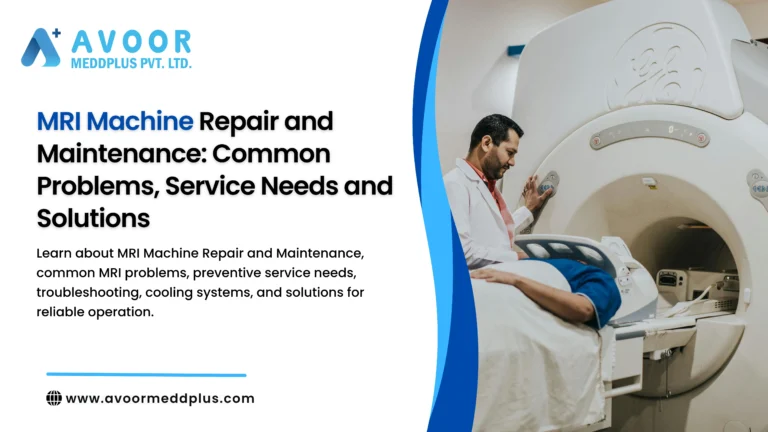
- MRI signal consistency
- X-ray exposure verification
- Ultrasound measurement accuracy
- PET/CT performance evaluation
Regular calibration reduces diagnostic errors and improves clinical confidence.
Software and Firmware Updates
Modern imaging systems rely heavily on software for image acquisition, processing, and system control.
Routine software maintenance includes:
- Firmware updates
- Security patches
- Performance optimization
- Error correction
- Configuration validation
Keeping software current improves system stability and cybersecurity.
10 Best Practices for Medical Imaging Equipment Maintenance
1. Follow a Preventive Maintenance Schedule
A structured maintenance schedule helps identify potential issues early and minimizes unexpected equipment failures.
Preventive maintenance should always follow manufacturer recommendations and clinical usage requirements.
2. Perform Routine Equipment Inspections
Regular visual inspections help identify loose connections, damaged cables, worn components, fluid leaks, and signs of excessive wear before they affect equipment performance.
3. Verify Calibration Regularly
Routine calibration ensures imaging systems continue producing accurate diagnostic results while maintaining compliance with performance standards.
4. Test Electrical Safety
Electrical safety testing helps prevent equipment-related hazards and ensures safe operation in patient care environments.
5. Keep Software Updated
Routine firmware and software updates improve system performance, address security vulnerabilities, and enhance equipment reliability.
Medical Equipment That Requires Routine Maintenance
Healthcare facilities should perform routine maintenance on:
- CT Scanners
- MRI Systems
- PET/CT Scanners
- SPECT Systems
- Digital X-ray Systems
- Mammography Units
- Ultrasound Machines
- Cath Lab Equipment
- C-Arm Systems
- Fluoroscopy Equipment
- PACS Servers
- Medical Imaging Workstations
Regular servicing helps these systems maintain consistent performance and deliver reliable diagnostic results.