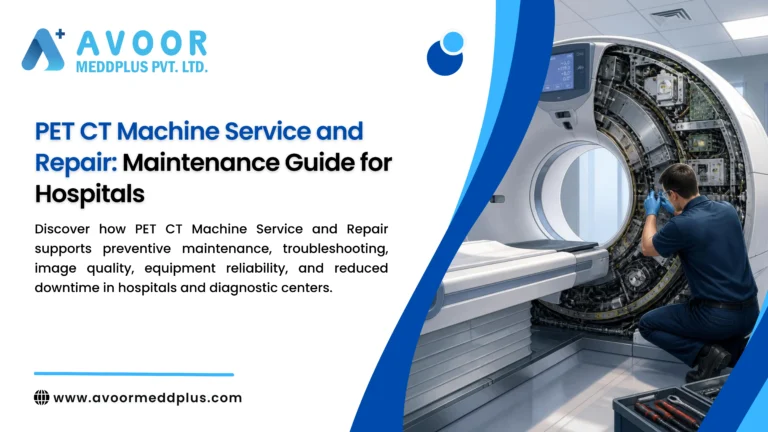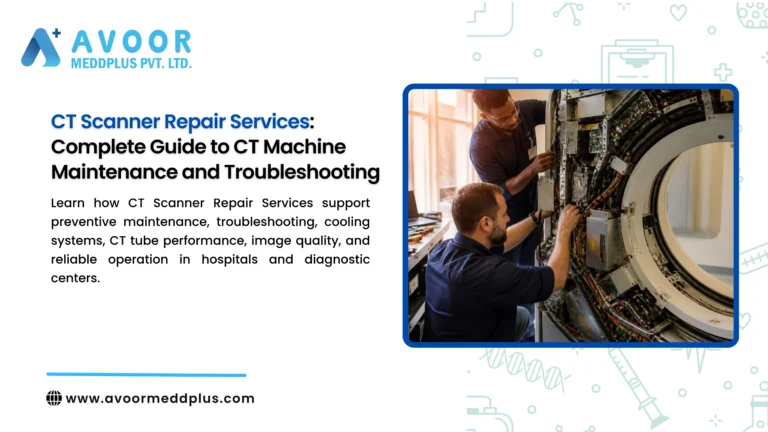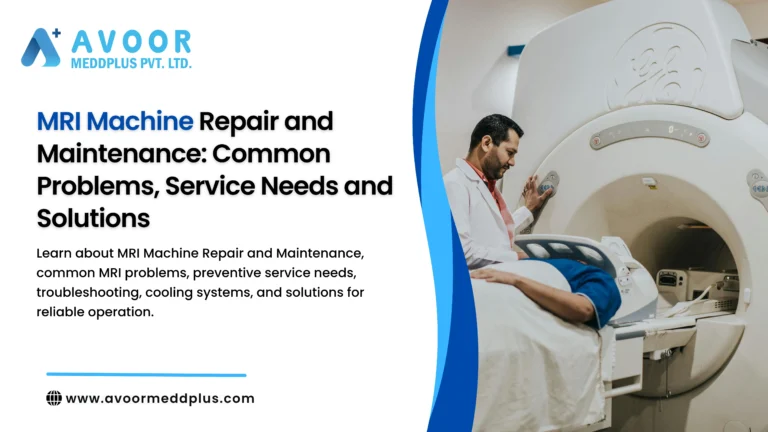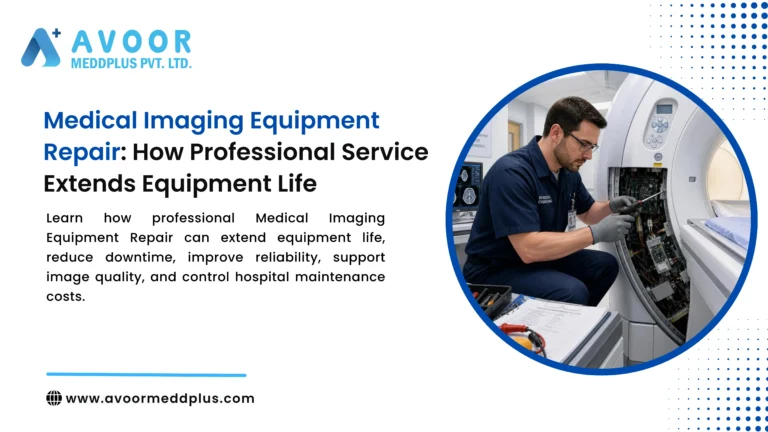

PET/CT Repair and Maintenance is essential for hospitals and diagnostic centers that depend on hybrid imaging systems for advanced diagnostic services. PET/CT combines positron emission tomography with computed tomography, bringing together sophisticated detector systems, electronics, computing hardware, mechanical assemblies, X-ray components, cooling infrastructure, and specialized software.PET/CT Repair and Maintenance.Because PET/CT systems integrate multiple technologies, equipment problems can sometimes be more complex to diagnose than faults in a single imaging modality.PETCT Repair and Maintenance.PET/CT Repair and Maintenance.
Because PET/CT systems integrate multiple technologies, equipment problems can sometimes be more complex to diagnose than faults in a single imaging modality.PETCT Repair and Maintenance
A recurring communication error, calibration problem, cooling warning, detector issue, or CT subsystem fault can interrupt clinical operations and potentially lead to significant downtime.
A structured maintenance strategy can help healthcare facilities identify developing problems early, plan repairs, maintain equipment performance, and reduce avoidable interruptions.PET/CT Repair and Maintenance
This guide explains how professional PET/CT Repair and Maintenance can contribute to equipment reliability and more predictable imaging-department operations.
Table of Contents
- What Is PET/CT Repair and Maintenance?
- Why PET/CT Reliability Matters
- 10 Ways to Reduce PET/CT Downtime
- Major PET/CT Components That Require Maintenance
- Common PET/CT Problems
- PET/CT Preventive Maintenance Checklist
- PET/CT Calibration and Quality Control
- Warning Signs That Require Technical Attention
- How to Improve PET/CT Equipment Reliability
- PET/CT AMC and CAMC Services
- When to Call a PET/CT Repair Expert
- Why Choose Avoor Meddplus Pvt Ltd?
- Frequently Asked Questions
- Conclusion
What Is PET/CT Repair and Maintenance?
Understanding PET/CT Repair and Maintenance
PET/CT Repair and Maintenance covers the inspection, preventive servicing, troubleshooting, calibration, corrective repair, and technical support required to keep PET/CT equipment operating reliably.
A PET/CT system contains two major imaging technologies:
- PET
- CT
The PET subsystem detects radiation from administered radiopharmaceuticals, while the CT subsystem provides anatomical information and attenuation-correction data.
The system also depends on:
- Detectors
- Data acquisition electronics
- Gantry systems
- Patient tables
- Power supplies
- Cooling systems
- Computers
- Reconstruction software
- Networking
- Image-processing systems
Maintenance requirements vary significantly between manufacturers and equipment models. Manufacturer service documentation should therefore always be used as the primary technical reference.
Why PET/CT Reliability Matters
PET/CT systems are high-value diagnostic assets.
Unexpected equipment downtime can affect:
- Scheduled patient examinations
- Nuclear medicine workflows
- Radiopharmaceutical planning
- Staff utilization
- Referral schedules
- Equipment availability
- Revenue opportunities
- Patient waiting times
A maintenance strategy that focuses on prevention and early diagnosis can help reduce avoidable interruptions.
Reliability Is More Than Repairing a Breakdown
Reactive repair addresses equipment after a failure occurs.
A reliability-focused maintenance program also considers:
- Error history
- Component condition
- Cooling performance
- Calibration trends
- Preventive maintenance
- Equipment workload
- Environmental conditions
- Recurring faults
This allows healthcare facilities to move from purely reactive maintenance toward more proactive equipment management.
10 Proven Ways to Reduce PET/CT Downtime
1. Schedule Preventive Maintenance
Preventive maintenance is one of the most important strategies for reducing unexpected equipment failures.
Scheduled service can identify:
- Component wear
- Cooling problems
- Electrical issues
- Calibration changes
- Mechanical problems
- Communication faults
Maintenance intervals should follow manufacturer recommendations and applicable quality-control requirements.
2. Monitor Error Codes and Fault History
PET/CT systems generate diagnostic information when problems occur.
Facilities should maintain records of:
- Error codes
- Warning messages
- Date and time
- Frequency
- Operating conditions
- Service actions
A recurring error may provide an early indication of a developing problem.
Repeatedly clearing the same warning without investigating the cause can allow the underlying problem to continue.
3. Maintain the Cooling System
Thermal management is important for PET/CT equipment.
The system may include cooling infrastructure for:
- Electronics
- Detectors
- CT components
- Computers
- Power systems
Depending on the equipment model, maintenance can involve inspection of:
- Fans
- Pumps
- Heat exchangers
- Filters
- Cooling circuits
- Temperature sensors
- Environmental conditions
Poor cooling can contribute to thermal warnings and equipment downtime.
4. Monitor PET Detector Performance
The PET detector system is central to PET imaging.
Detector-related problems may result in:
- Calibration failures
- Image-quality changes
- Detector warnings
- Data acquisition problems
- System errors
Appropriate quality-control and calibration procedures should be performed according to manufacturer and applicable professional requirements.
5. Maintain the CT Subsystem
The CT portion of a PET/CT system has its own maintenance requirements.
Important components include:
- X-ray tube
- Detectors
- High-voltage system
- Gantry
- Patient table
- Cooling system
- Data acquisition electronics
CT-related problems can affect the overall availability of the PET/CT system.
6. Check Patient Table and Gantry Operation
Mechanical problems can interrupt imaging even when the electronic systems are operating normally.
Technicians may inspect:
- Table movement
- Positioning accuracy
- Gantry movement
- Mechanical alignment
- Motors
- Bearings
- Cables
- Safety mechanisms
Unusual noise, vibration, or movement should be investigated.
7. Maintain Stable Environmental Conditions
PET/CT equipment operates within specified environmental conditions.
Healthcare facilities should monitor applicable:
- Temperature
- Humidity
- HVAC performance
- Airflow
- Equipment-room conditions
Environmental conditions outside the manufacturer’s specifications can affect equipment performance and reliability.
8. Perform Required Calibration and Quality Control
Calibration and quality-control testing are essential for maintaining imaging performance.
Depending on the equipment and applicable requirements, testing can include:
- Detector performance
- Uniformity
- Sensitivity
- Image quality
- CT image-quality parameters
- CT number accuracy
- Artifact assessment
- System calibration
Testing should be performed by appropriately qualified personnel using approved procedures.
9. Maintain Accurate Service Documentation
A complete service history helps engineers identify recurring patterns.
Records should include:
- Preventive maintenance
- Corrective repairs
- Error codes
- Calibration results
- Replaced components
- Service dates
- Equipment downtime
- Recurring faults
Good documentation also helps facilities plan future maintenance and equipment budgets.
10. Use Professional Technical Support
Hybrid imaging systems require specialized technical knowledge.
Professional PET/CT service can help identify whether a problem originates in:
- PET detectors
- CT subsystem
- Electronics
- Cooling
- Software
- Networking
- Power systems
- Mechanical components
Correct diagnosis is essential because replacing the wrong component can increase both repair costs and downtime.
Major PET/CT Components That Require Maintenance
PET Detector System
PET detectors are critical for detecting radiation events and generating PET imaging data.
Maintenance may involve:
- Detector checks
- Calibration
- Performance verification
- Electronic diagnostics
- Error analysis
CT X-Ray Tube
The CT X-ray tube generates X-rays for the CT component.
Important maintenance considerations include:
- Tube operating condition
- Thermal management
- Tube loading
- Cooling
- Tube-related error history
CT Detector
The CT detector captures transmitted X-ray information.
Detector problems may contribute to image artifacts, calibration problems, or data-acquisition faults.
Gantry
The gantry contains important mechanical and electronic components.
Maintenance can include:
- Rotation
- Mechanical movement
- Positioning
- Cable condition
- Bearings
- Motors
Patient Table
Accurate patient positioning is essential for hybrid imaging.
The table should be inspected for:
- Smooth movement
- Position accuracy
- Mechanical condition
- Safety mechanisms
Electronics and Power Supplies
PET/CT systems contain multiple electronic boards and power assemblies.
Possible electronic warning signs include:
- Repeated errors
- System restarts
- Communication failures
- Calibration problems
- Unexpected shutdowns
Common PET/CT Problems
PET Detector Errors
Detector-related problems can affect image acquisition and may trigger calibration or system errors.
CT Tube Overheating
The CT subsystem can generate significant heat during operation.
Cooling problems or demanding workloads may contribute to thermal warnings depending on the equipment model.
Calibration Failures
Repeated calibration failures can indicate issues involving detectors, electronics, software, environmental conditions, or other system components.
Communication Errors
Hybrid systems depend on communication between multiple subsystems.
Problems may involve:
- Detector electronics
- Acquisition systems
- Workstations
- Network interfaces
- Reconstruction systems
Image Artifacts
Artifacts can originate from many different sources.
Possible contributors include:
- Detector problems
- Calibration
- Patient motion
- Mechanical issues
- CT components
- Software
- Environmental conditions
A structured diagnostic process is necessary to determine the actual cause.
Cooling Problems
Cooling-system faults can cause:
- Temperature warnings
- Performance limitations
- Protective shutdowns
- Longer recovery periods
Recurring thermal warnings should be investigated promptly.
PET/CT Preventive Maintenance Checklist
PET Subsystem
- Review PET error history
- Perform applicable detector checks
- Complete required calibration
- Review image-quality results
- Investigate recurring detector warnings
CT Subsystem
- Review CT error history
- Check tube-related warnings
- Inspect applicable cooling components
- Verify required calibration
- Review image-quality performance
Mechanical System
- Inspect gantry operation
- Check patient-table movement
- Review unusual noise or vibration
- Inspect applicable mechanical components
Cooling and Environment
- Check environmental conditions
- Inspect applicable cooling system
- Check filters where applicable
- Review temperature alarms
- Verify HVAC performance
Electronics and Software
- Review system logs
- Investigate recurring communication errors
- Check power-related warnings
- Review system startup behavior
Documentation
- Update maintenance records
- Document repairs
- Record calibration results
- Record replaced components
- Schedule next preventive maintenance
PET/CT Calibration and Quality Control
Why Quality Control Matters
PET/CT performance depends on both PET and CT subsystems operating within their specified performance ranges.
Quality-control procedures help identify changes in equipment performance.
The exact tests and frequency vary according to:
- Manufacturer
- Equipment model
- Regulatory requirements
- Facility procedures
- Clinical use
- Applicable professional standards
PET quality-control programs may evaluate detector and image-performance characteristics, while CT quality-control programs may evaluate image quality and radiation-related performance.
Quality-control activities should be conducted by appropriately qualified professionals.
Warning Signs That Require Technical Attention
Healthcare facilities should consider professional technical support when they notice:
- Repeated PET detector errors
- Frequent calibration failures
- CT tube overheating warnings
- Unexpected system shutdowns
- Repeated communication errors
- Increasing image artifacts
- Unusual gantry noise
- Patient-table movement problems
- Longer startup times
- Cooling-system alarms
- Repeated system restarts
- Increasing frequency of minor faults
One isolated warning may not indicate a major failure. However, repeated or worsening problems deserve investigation.
How to Improve PET/CT Equipment Reliability
Create a Preventive Maintenance Schedule
Use the manufacturer’s maintenance recommendations as the foundation for the service schedule.
Track Equipment Downtime
Record:
- Date
- Duration
- Cause
- Component involved
- Repair performed
This helps identify recurring reliability problems.
Monitor Recurring Error Codes
A pattern of similar errors may provide an early warning of component degradation.
Maintain Environmental Conditions
Monitor room temperature, humidity, cooling, and airflow according to equipment requirements.
Keep Critical Service Information Available
Maintain:
- Equipment model
- Serial information
- Manufacturer documentation
- Service history
- Calibration records
- Previous error reports
- Spare-parts information
Train Operators to Recognize Warning Signs
Operators should understand which conditions require escalation to technical service personnel.
They should not perform unauthorized repairs or open equipment cabinets.
PET/CT AMC and CAMC Services
Healthcare facilities may use maintenance contracts to establish predictable technical support.
AMC
An Annual Maintenance Contract can provide scheduled maintenance and defined service support according to the agreement.
CAMC
A Comprehensive Annual Maintenance Contract can provide broader coverage depending on the contract terms, equipment, parts, labor, and exclusions.
Before selecting a contract, facilities should clearly define:
- Preventive maintenance frequency
- Response time
- Corrective maintenance
- Parts coverage
- Labor coverage
- Calibration support
- Emergency service
- Exclusions
- Reporting requirements
When to Call a PET/CT Repair Expert
Professional service should be considered when:
- The same error repeatedly appears
- PET calibration fails
- CT calibration fails
- The system shuts down unexpectedly
- Cooling alarms occur
- Image quality changes
- Detector problems are reported
- The gantry behaves abnormally
- The patient table malfunctions
- Communication errors persist
- The equipment becomes unavailable for patient use
Early technical intervention can help identify the underlying cause and potentially reduce the duration of equipment downtime.
Why Choose Avoor Meddplus Pvt Ltd?
Avoor Meddplus Pvt Ltd provides professional PET/CT Repair and Maintenance support for hospitals, diagnostic centers, and healthcare facilities.
Our service capabilities include:
- PET/CT Repair
- PET/CT Preventive Maintenance
- PET/CT Troubleshooting
- PET Detector Technical Support
- CT Subsystem Support
- Cooling-System Inspection
- Calibration Support
- Medical Equipment PCB Repair
- Electronic Fault Diagnosis
- AMC Services
- CAMC Services
- Per-Call Technical Support
- Medical Imaging Spare Parts
- Installation and Commissioning Support
Our technical approach focuses on identifying the root cause of equipment problems and helping healthcare facilities establish a practical maintenance strategy.
For high-value hybrid imaging systems, proactive maintenance can help reduce avoidable interruptions and support more predictable equipment availability.
Frequently Asked Questions
How often should PET/CT equipment be serviced?
Service frequency depends on the manufacturer, model, workload, age, operating environment, and applicable maintenance requirements. Facilities should follow the manufacturer’s recommendations and applicable quality-control procedures.
What does PET/CT maintenance include?
Depending on the equipment and service agreement, maintenance can include detector checks, calibration, cooling-system inspection, CT subsystem checks, mechanical inspection, electronic diagnostics, image-quality testing, and error-log review.
What causes PET/CT downtime?
Downtime can result from detector faults, CT tube problems, cooling issues, electronics, software, mechanical components, power problems, communication errors, or other equipment-specific failures.
Can preventive maintenance reduce PET/CT downtime?
Preventive maintenance can help identify developing problems before they cause unexpected failures. It cannot eliminate all downtime, but it can support more proactive equipment management.
How important is cooling-system maintenance for PET/CT?
Cooling helps maintain appropriate operating conditions for equipment components. Cooling requirements vary by system, and recurring temperature warnings should be investigated.
What should we do when a PET/CT error code appears?
Record the exact error and follow the manufacturer’s approved operator procedures. If the error repeats or affects equipment operation, contact qualified technical support.
Can PET/CT image artifacts indicate equipment failure?
They can, but artifacts have many possible causes, including patient movement, imaging protocols, calibration, detector performance, mechanical problems, and software. Professional diagnosis is required to determine the cause.
Is an AMC useful for PET/CT equipment?
An AMC can provide scheduled preventive maintenance and defined service support. The value depends on the equipment’s age, workload, service requirements, parts availability, and contract coverage.
What is the difference between PET/CT maintenance and PET/CT repair?
Maintenance focuses primarily on preventing problems and maintaining performance. Repair focuses on diagnosing and correcting an existing equipment fault. A strong service program combines both approaches.
Conclusion
PET/CT Repair and Maintenance plays an important role in reducing avoidable downtime and supporting the reliability of advanced hybrid imaging systems.
PET/CT equipment combines PET detectors, CT technology, electronics, cooling systems, computers, mechanical components, and specialized software. Because these systems are interconnected, a problem in one subsystem can affect the availability of the complete imaging platform.
A comprehensive maintenance strategy should include preventive servicing, error-code monitoring, cooling-system checks, detector performance verification, CT subsystem maintenance, calibration, quality control, environmental monitoring, and accurate service documentation.
Healthcare facilities should also pay attention to recurring warning signs such as calibration failures, detector errors, overheating warnings, communication problems, image artifacts, unusual mechanical behavior, and unexpected system restarts.
The goal should not simply be to repair equipment after it fails. A proactive maintenance approach can help identify problems earlier, plan technical intervention, and support more predictable imaging operations.
Need PET/CT Repair and Maintenance Support?
Avoor Meddplus Pvt Ltd provides professional PET/CT service and maintenance support, including:
- PET/CT Repair
- Preventive Maintenance
- PET Detector Support
- CT Subsystem Support
- Cooling-System Maintenance
- Calibration Support
- Electronic Diagnostics
- PCB Repair
- AMC & CAMC Services
- Spare Parts Support
- Installation & Commissioning
Contact Avoor Meddplus Pvt Ltd for professional PET/CT repair, preventive maintenance, and technical support.