
Introduction
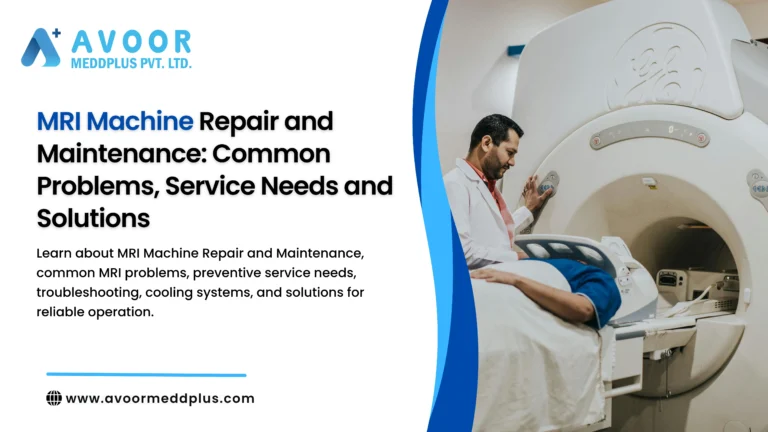
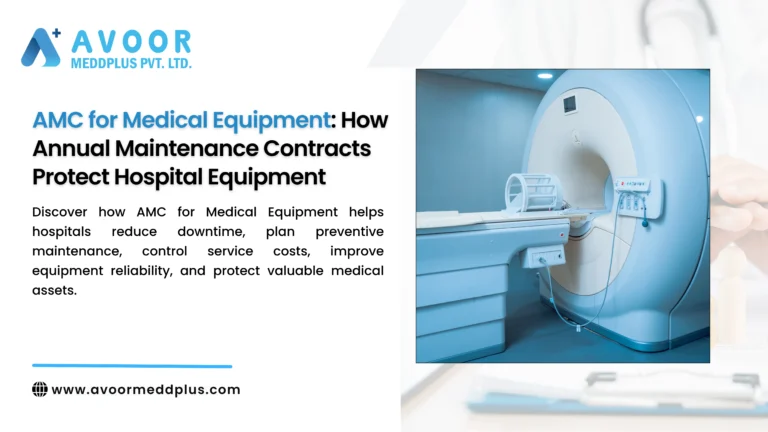
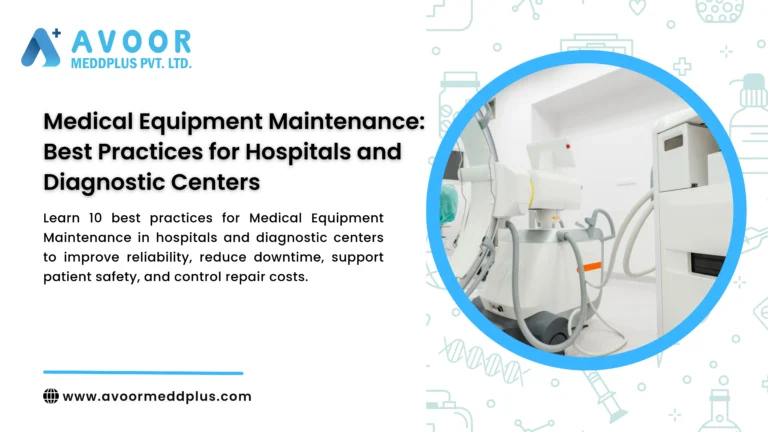
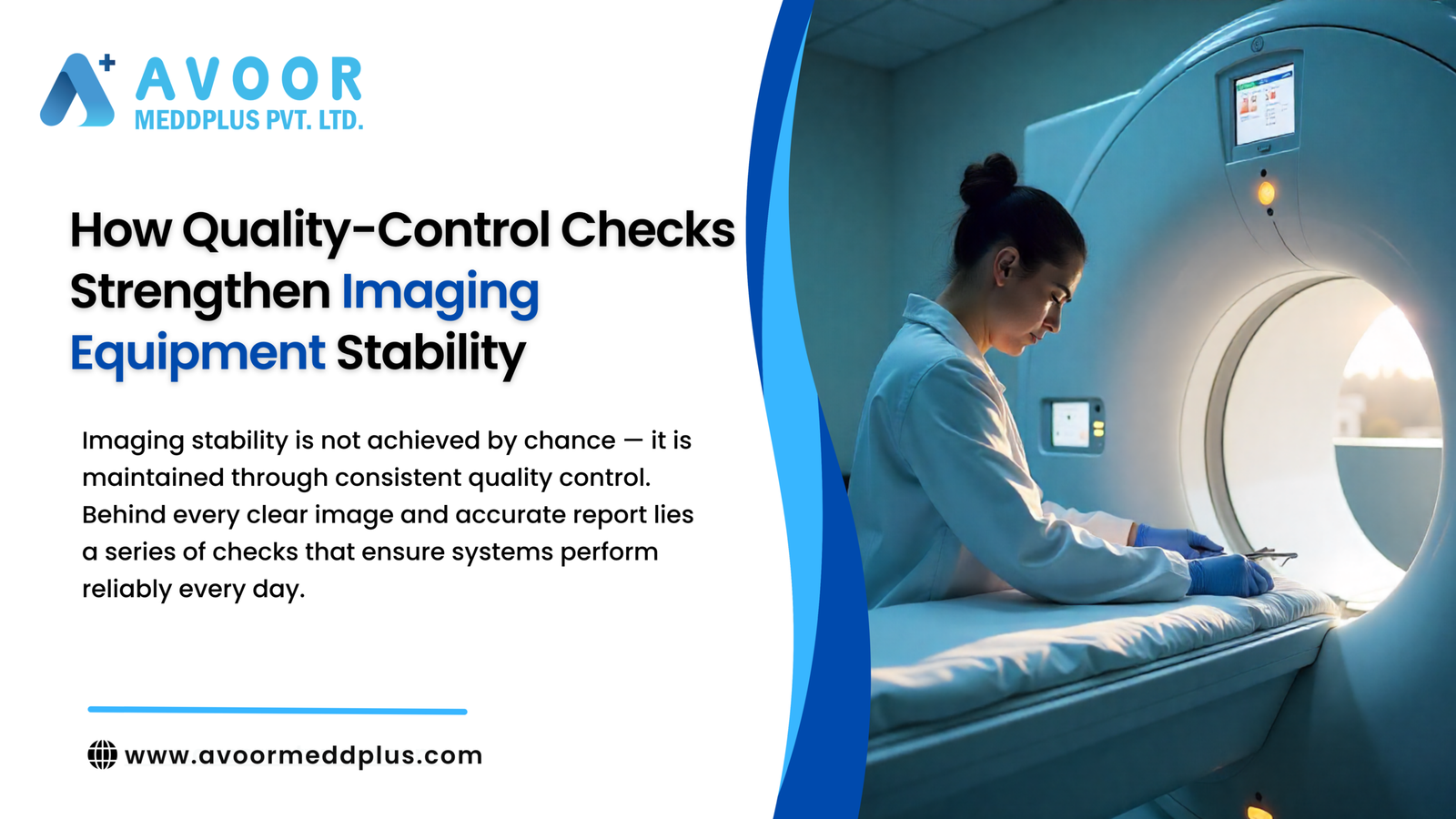
Quality-control checks strengthen imaging equipment stability by ensuring that diagnostic systems operate with consistent accuracy and reliability. In healthcare environments, imaging equipment such as CT scanners, MRI systems, and X-ray machines plays a vital role in detecting and diagnosing medical conditions. Any fluctuation in performance can lead to inaccurate imaging results and impact patient care.
Regular quality-control checks are essential to maintain optimal functionality and prevent unexpected system failures. At Avoor Meddplus Pvt Ltd, we provide advanced quality assurance and biomedical maintenance solutions to ensure imaging equipment performs at peak efficiency.
Table of Contents
- What Are Quality-Control Checks in Imaging Equipment
- Why Imaging Equipment Stability Matters
- How Quality-Control Checks Strengthen Imaging Equipment Stability
- Key Components of Quality-Control Checks
- Risks of Ignoring Quality Control
- Benefits of Regular Quality-Control Checks
- Conclusion
What Are Quality-Control Checks in Imaging Equipment
Quality-control checks strengthen imaging equipment stability by verifying that systems meet predefined performance standards. These checks involve systematic testing, calibration, and evaluation of imaging devices.
Key Activities Include:
- Calibration of imaging parameters
- Image quality testing
- Performance validation
- Radiation dose monitoring
- System diagnostics
These procedures ensure that equipment delivers accurate and reliable imaging results.
Why Imaging Equipment Stability Matters
Accurate Diagnostics
Stable imaging systems produce clear and consistent images, enabling accurate diagnosis and treatment planning.
Patient Safety
Properly functioning equipment reduces risks such as excessive radiation exposure and incorrect imaging results.
Operational Efficiency
Stable equipment minimizes downtime and supports smooth workflow in hospitals and diagnostic centers.
Regulatory Compliance
Healthcare facilities must follow strict guidelines for equipment performance and safety.
Accurate Diagnostics
Stable imaging systems produce clear and consistent images, enabling accurate diagnosis and treatment planning.
Patient Safety
Properly functioning equipment reduces risks such as excessive radiation exposure and incorrect imaging results.
How Quality-Control Checks Strengthen Imaging Equipment Stability
Consistent Performance Monitoring
Regular checks ensure that equipment maintains consistent output and image quality.
Early Issue Detection
Quality-control checks help identify minor issues before they become major failures.
Calibration Accuracy
Frequent calibration ensures that imaging systems operate within acceptable tolerance levels.
System Optimization
Performance tuning improves efficiency and extends equipment lifespan.
Key Components of Quality-Control Checks
Image Quality Assessment
Ensures clarity, contrast, and resolution meet diagnostic standards.
Radiation Safety Testing
Monitors radiation levels to protect patients and staff.
Mechanical and Electrical Inspection
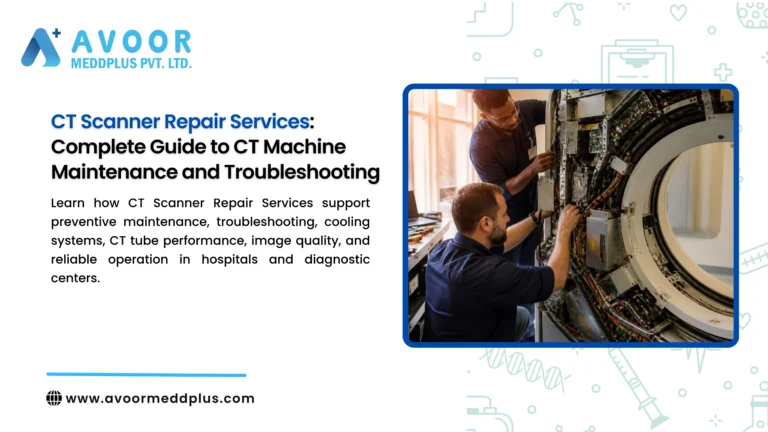
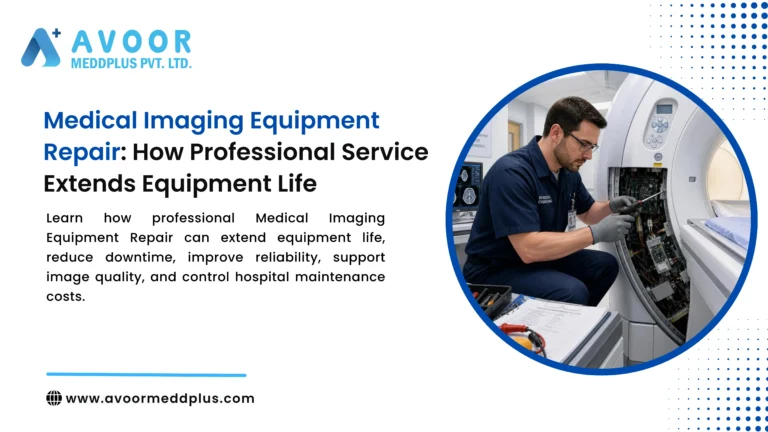
Checks system components for wear and malfunction.
Software and System Validation
Ensures proper functioning of imaging software and control systems.
Risks of Ignoring Quality Control
Without proper quality-control checks, healthcare facilities may face:
- Inaccurate imaging results
- Increased equipment downtime
- Higher maintenance costs
- Safety risks for patients and staff
- Non-compliance with healthcare regulations
- Safety risks for patients and staff
- Non-compliance with healthcare regulations
This clearly shows how quality-control checks strengthen imaging equipment stability and prevent operational risks.
How Avoor Meddplus Pvt Ltd Ensures Quality and Stability
At Avoor Meddplus Pvt Ltd, we implement strict quality-control protocols to maintain imaging equipment stability.
Our Approach
- Advanced diagnostic and calibration tools
- Skilled biomedical engineers
- Preventive maintenance programs
- Detailed performance testing and reporting
- Compliance with healthcare standards
We ensure that every imaging system operates with complete stability and precision.
Benefits of Regular Quality-Control Checks
Enhanced Equipment Lifespan
Regular checks reduce wear and extend equipment life.
Improved Diagnostic Accuracy
Stable systems deliver reliable imaging results.
Reduced Downtime
Early detection prevents unexpected failures.
Cost Savings
Minimizes major repairs and replacement costs.
Better Patient Care
Accurate diagnostics lead to effective treatment.
Conclusion
Quality-control checks strengthen imaging equipment stability by ensuring consistent performance, accurate diagnostics, and patient safety. These checks are essential for maintaining high standards in healthcare environments.
By partnering with Avoor Meddplus Pvt Ltd, healthcare providers can ensure their imaging equipment remains stable, reliable, and fully optimized for clinical use.