
Why Scheduled Equipment Audits Are Essential for Healthcare Facilities
Table of Contents
- Introduction
- What Are Scheduled Equipment Audits?
- Why Every Healthcare Facility Needs Scheduled Equipment Audits
- Key Benefits of Scheduled Equipment Audits
- Equipment That Should Be Audited Regularly
- Best Practices for Effective Equipment Audits
- Why Choose Avoor Meddplus Pvt Ltd?
- Frequently Asked Questions
- Conclusion
Introduction
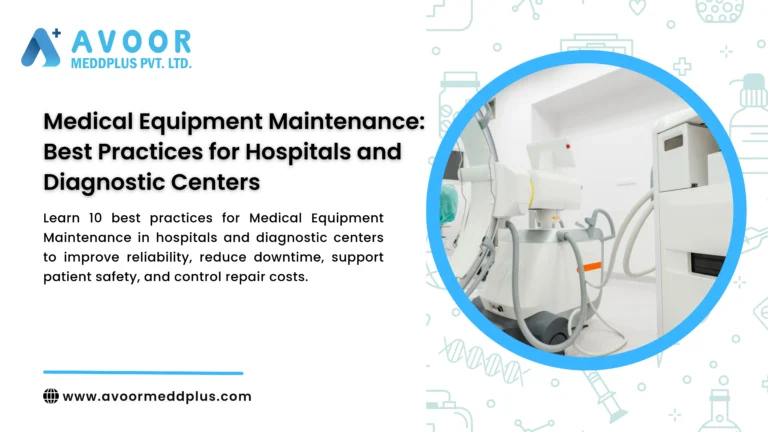
Scheduled Equipment Audits are one of the most effective ways to ensure that medical equipment operates safely, efficiently, and reliably. Hospitals, diagnostic centers, imaging facilities, and specialty clinics rely on advanced medical devices every day to diagnose and treat patients. Even a minor equipment failure can delay patient care, reduce productivity, and increase repair costs.
By implementing regular Scheduled Equipment Audits, healthcare facilities can identify hidden issues before they become critical failures. These audits help improve equipment performance, extend the lifespan of valuable medical assets, maintain compliance with industry standards, and support uninterrupted patient care.
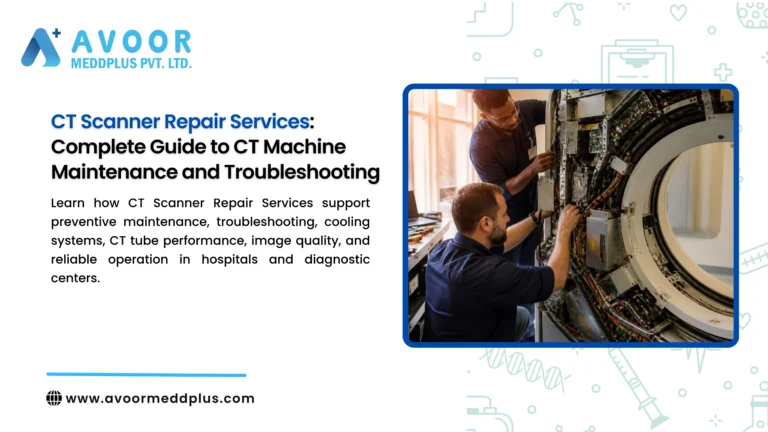
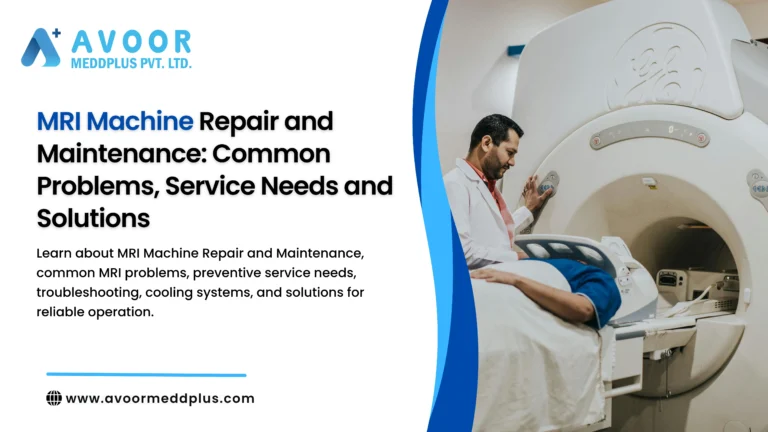
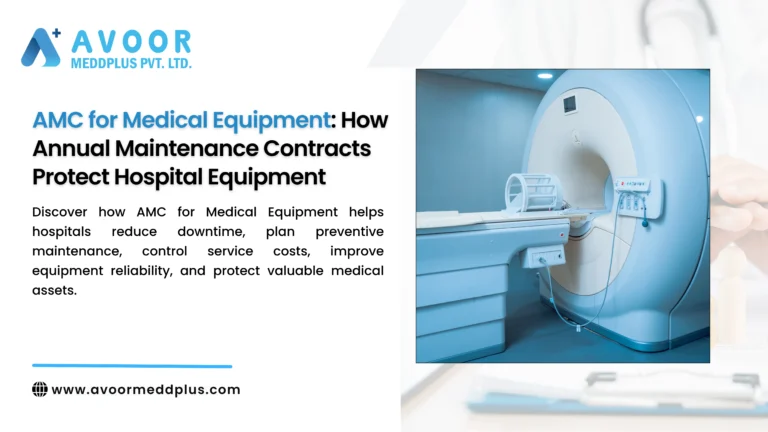
For organizations investing in expensive medical imaging equipment such as CT scanners, MRI systems, PET/CT scanners, Cath Labs, ultrasound machines, and digital X-ray systems, routine audits are an essential part of a proactive maintenance strategy.
What Are Scheduled Equipment Audits?
Understanding Scheduled Equipment Audits
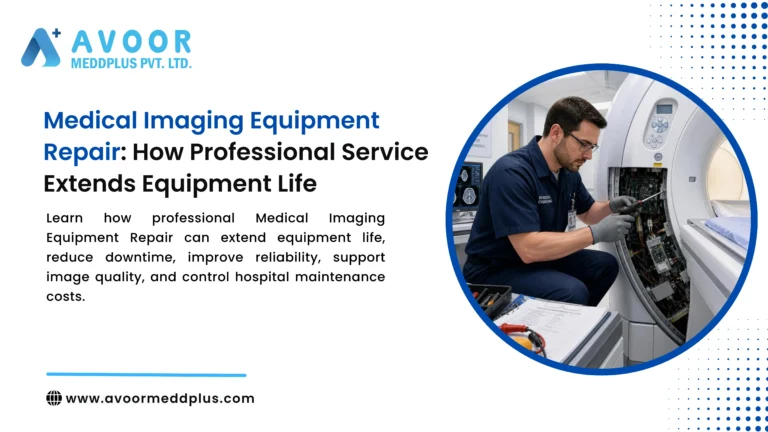
Scheduled Equipment Audits are systematic inspections carried out at predefined intervals to evaluate the operational condition, safety, calibration, and performance of medical equipment.
Unlike emergency repairs, scheduled audits focus on identifying potential issues before they lead to unexpected downtime or equipment failure.
A comprehensive audit generally includes:
- Visual inspection of equipment
- Electrical safety testing
- Performance verification
- Calibration checks
- Software and firmware assessment
- Mechanical component inspection
- Cooling system evaluation
- Preventive maintenance review
- Service history analysis
- Compliance verification
These inspections provide hospitals with a clear understanding of the health of each medical device and help plan maintenance activities more effectively.
Why Every Healthcare Facility Needs Scheduled Equipment Audits
Healthcare facilities depend on medical equipment to deliver timely and accurate diagnoses. Any unexpected equipment malfunction can have serious consequences, including delayed treatments, cancelled appointments, dissatisfied patients, and increased operational expenses.
Regular Scheduled Equipment Audits help healthcare providers move from a reactive maintenance approach to a proactive maintenance strategy.
Benefits include:
- Early identification of worn or damaged components
- Improved equipment reliability
- Reduced emergency repair costs
- Better patient safety
- Increased equipment availability
- Longer equipment lifespan
- Compliance with healthcare regulations
- Improved operational efficiency
By auditing equipment on a regular schedule, hospitals can avoid costly surprises and maintain consistent service quality.
10 Key Benefits of Scheduled Equipment Audits
1. Improve Medical Equipment Reliability
Routine audits identify hidden faults before they affect equipment performance. Components such as power supplies, cooling fans, circuit boards, detectors, cables, and connectors can be inspected and repaired before they fail.
Reliable equipment supports uninterrupted patient care and improves confidence among healthcare professionals.
2. Reduce Unexpected Equipment Downtime
Unexpected downtime can disrupt clinical workflows and delay patient appointments.
Scheduled audits help detect:
- Overheating issues
- Component wear
- Loose electrical connections
- Cooling system failures
- Software errors
- Calibration drift
Resolving these issues early minimizes unplanned service interruptions.
3. Extend Equipment Lifespan
Medical imaging systems represent a significant investment for healthcare facilities. Regular inspections and preventive maintenance protect high-value components, helping hospitals maximize the operational life of their equipment.
Equipment that benefits from routine audits includes:
- CT Scanners
- MRI Systems
- PET/CT Scanners
- SPECT Systems
- Digital X-ray Systems
- Ultrasound Machines
- Mammography Units
- Cath Lab Equipment
- C-Arm Systems
- PACS Servers
4. Enhance Patient Safety
Accurate diagnostic equipment is essential for delivering safe and effective patient care.
Scheduled audits verify:
- Electrical safety
- Radiation system performance
- Imaging accuracy
- Alarm functionality
- Mechanical stability
- Calibration precision
These checks reduce the risk of inaccurate results and equipment-related safety incidents.
5. Reduce Overall Maintenance Costs
Waiting until equipment fails often leads to expensive emergency repairs and prolonged downtime.
Routine Scheduled Equipment Audits allow biomedical engineers to identify minor issues early, reducing repair costs and preventing damage to expensive assemblies such as detector systems, X-ray tubes, RF amplifiers, and power modules.