

Why Biomedical Engineering Expertise Is Critical in Modern Healthcare
Table of Contents
- Introduction
- What Is Biomedical Engineering Expertise?
- The Growing Importance of Biomedical Engineers
- Core Responsibilities of Biomedical Engineering Professionals
- 10 Reasons Biomedical Engineering Expertise Is Critical
- Medical Equipment Managed by Biomedical Engineers
- Why Choose Avoor Meddplus Pvt Ltd?
- Frequently Asked Questions
- Conclusion
Introduction
Biomedical Engineering Expertise has become an essential pillar of modern healthcare. Hospitals, diagnostic centers, specialty clinics, and research institutions rely on sophisticated medical technologies to deliver accurate diagnoses, effective treatments, and high-quality patient care. From CT scanners and MRI systems to ultrasound machines, PET/CT scanners, digital X-ray equipment, and Cath Lab systems, these advanced technologies require specialized technical knowledge to operate safely and efficiently.
As healthcare technology becomes more complex, the role of biomedical engineers continues to expand. They bridge the gap between medicine and engineering by ensuring that medical equipment performs reliably, complies with safety standards, and remains available when clinicians need it most.
Organizations that invest in Biomedical Engineering Expertise benefit from improved equipment reliability, reduced downtime, enhanced patient safety, longer equipment lifespan, and lower maintenance costs.
What Is Biomedical Engineering Expertise?
Understanding Biomedical Engineering Expertise
Biomedical Engineering Expertise combines engineering principles with medical science to design, maintain, troubleshoot, and optimize healthcare technologies used in patient diagnosis and treatment.
Biomedical engineers possess specialized knowledge in:
- Medical electronics
- Clinical engineering
- Diagnostic imaging systems
- Electrical safety
- Software integration
- Preventive maintenance
- Equipment calibration
- Regulatory compliance
- Performance testing
- Healthcare technology management
Their expertise ensures that complex medical systems operate according to manufacturer specifications while meeting healthcare quality standards.
The Growing Importance of Biomedical Engineers
Healthcare organizations continue to invest in advanced imaging and diagnostic technologies to improve patient outcomes. As equipment becomes increasingly sophisticated, hospitals require qualified biomedical engineers to manage these assets throughout their operational lifecycle.
Biomedical engineers support healthcare facilities by:
- Maintaining equipment performance
- Preventing unexpected failures
- Improving diagnostic accuracy
- Managing technology upgrades
- Supporting regulatory compliance
- Extending equipment lifespan
- Optimizing maintenance schedules
Their work helps ensure uninterrupted clinical services and better patient experiences.
Core Responsibilities of Biomedical Engineering Professionals
Preventive Maintenance
Routine preventive maintenance reduces the likelihood of equipment failures by identifying and correcting potential issues before they affect patient care.
Activities include:
- Scheduled inspections
- Electrical safety testing
- Calibration verification
- Mechanical component evaluation
- Cooling system inspection
- Performance testing
Equipment Installation and Commissioning
Biomedical engineers oversee the installation and commissioning of new medical equipment to ensure systems operate correctly from the beginning.
This process includes:
- Site readiness verification
- Equipment installation
- Functional testing
- User acceptance testing
- Staff orientation
- Documentation
Calibration and Quality Assurance
Regular calibration helps maintain image quality and measurement accuracy across imaging systems.
Quality assurance activities include:
- Detector performance testing
- Radiation output verification
- Image quality assessment
- Software diagnostics
- System optimization
Troubleshooting and Repairs
Biomedical engineers diagnose and repair equipment faults efficiently, minimizing downtime and restoring clinical operations quickly.
Their expertise includes:
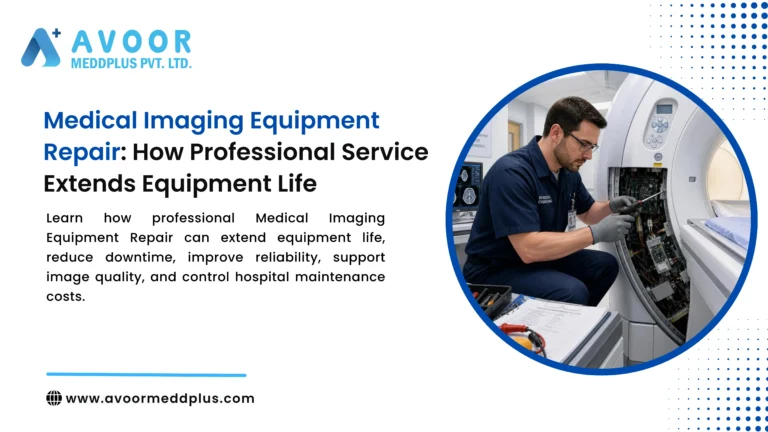
- Circuit board diagnostics
- Power supply repair
- Software troubleshooting
- Mechanical adjustments
- Component replacement
- System performance verification
10 Powerful Reasons Biomedical Engineering Expertise Is Critical
1. Improves Medical Equipment Reliability
Routine monitoring, testing, and preventive maintenance help ensure medical equipment performs consistently under demanding clinical conditions.
Reliable systems reduce unexpected failures and improve patient care.
2. Enhances Patient Safety
Biomedical engineers verify electrical safety, calibration accuracy, alarm systems, and equipment performance to reduce clinical risks and support safe healthcare delivery.
3. Reduces Equipment Downtime
Early identification of potential problems allows hospitals to perform planned maintenance rather than responding to costly emergency repairs.
Reduced downtime improves operational efficiency and patient satisfaction.
4. Supports Accurate Diagnosis
Properly maintained imaging equipment produces high-quality diagnostic images that enable clinicians to make confident medical decisions.
Consistent calibration reduces the likelihood of repeat examinations.
5. Extends Equipment Lifespan
Professional maintenance protects critical components from excessive wear, helping hospitals maximize the value of expensive medical technology investments.
Medical Equipment Supported by Biomedical Engineers
Biomedical engineering teams commonly maintain:
- CT Scanners
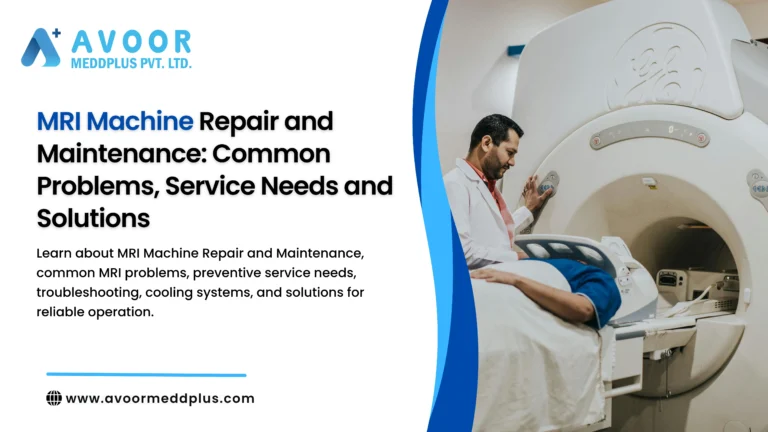
- MRI Systems
- PET/CT Scanners
- SPECT Systems
- Digital X-ray Equipment
- Mammography Systems
- Ultrasound Machines
- Cath Lab Systems
- C-Arm Equipment
- Fluoroscopy Systems
- PACS Servers
- Medical Imaging Workstations
Routine maintenance and performance verification ensure these systems continue operating safely and efficiently.