Introduction: Why Preventive Maintenance Matters More Than Ever
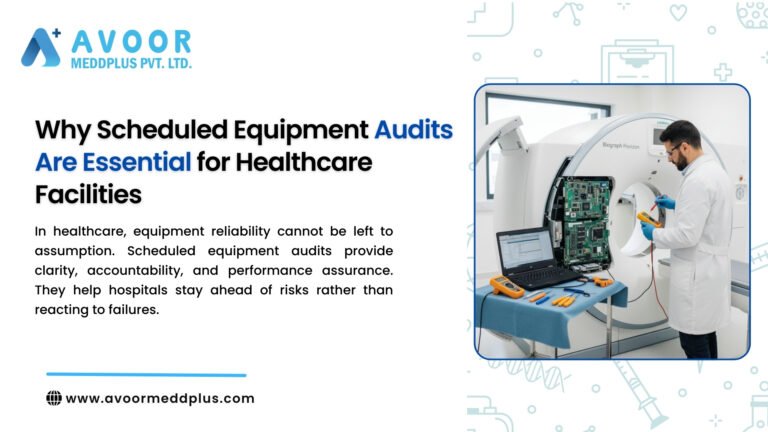
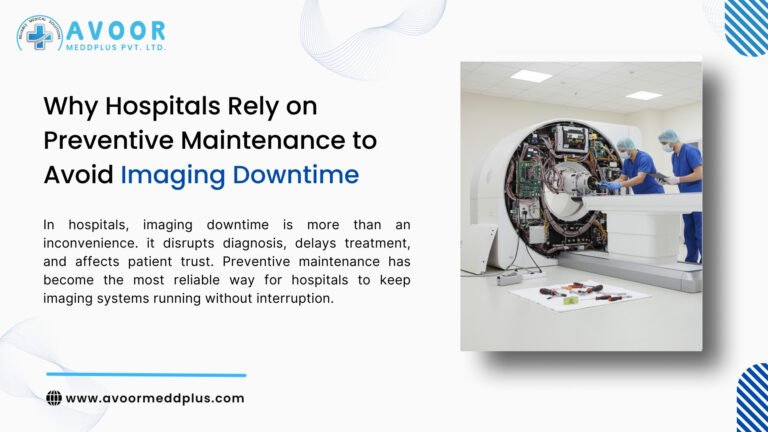
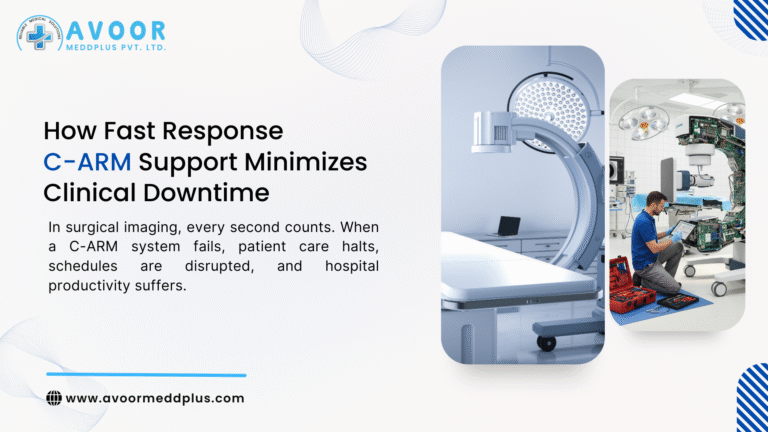
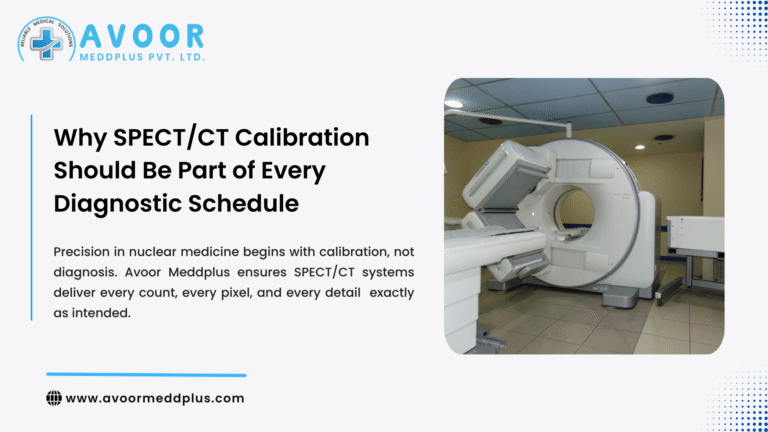
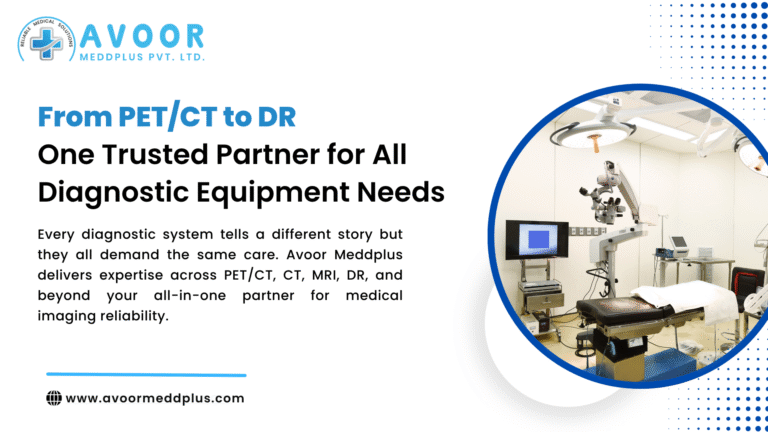
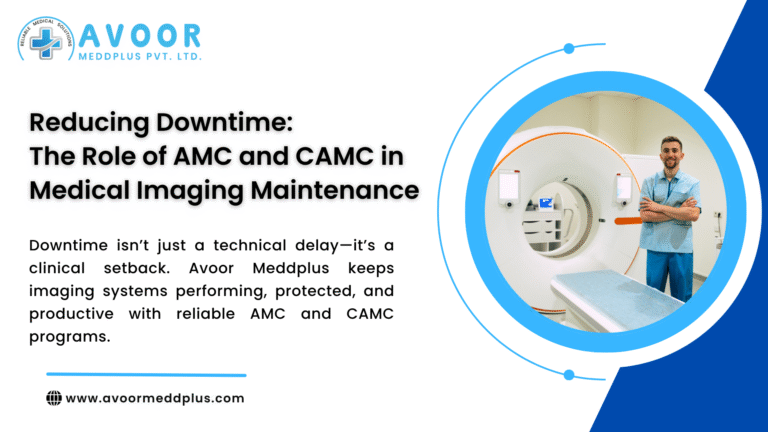
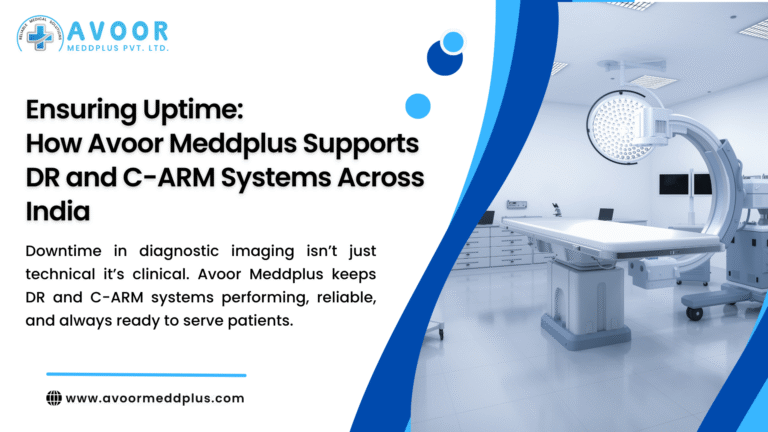
In today’s fast-paced healthcare environment, medical imaging systems such as CT, DR, PET/CT, C-ARM, and SPECT/CT are vital for accurate diagnosis and timely treatment. These high-value assets operate daily under heavy workloads. But even the most advanced equipment can face performance issues, calibration drift, and costly breakdowns without proper care.
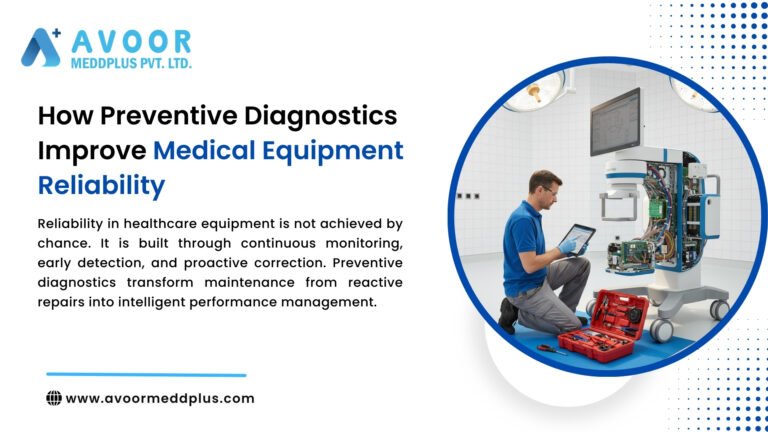
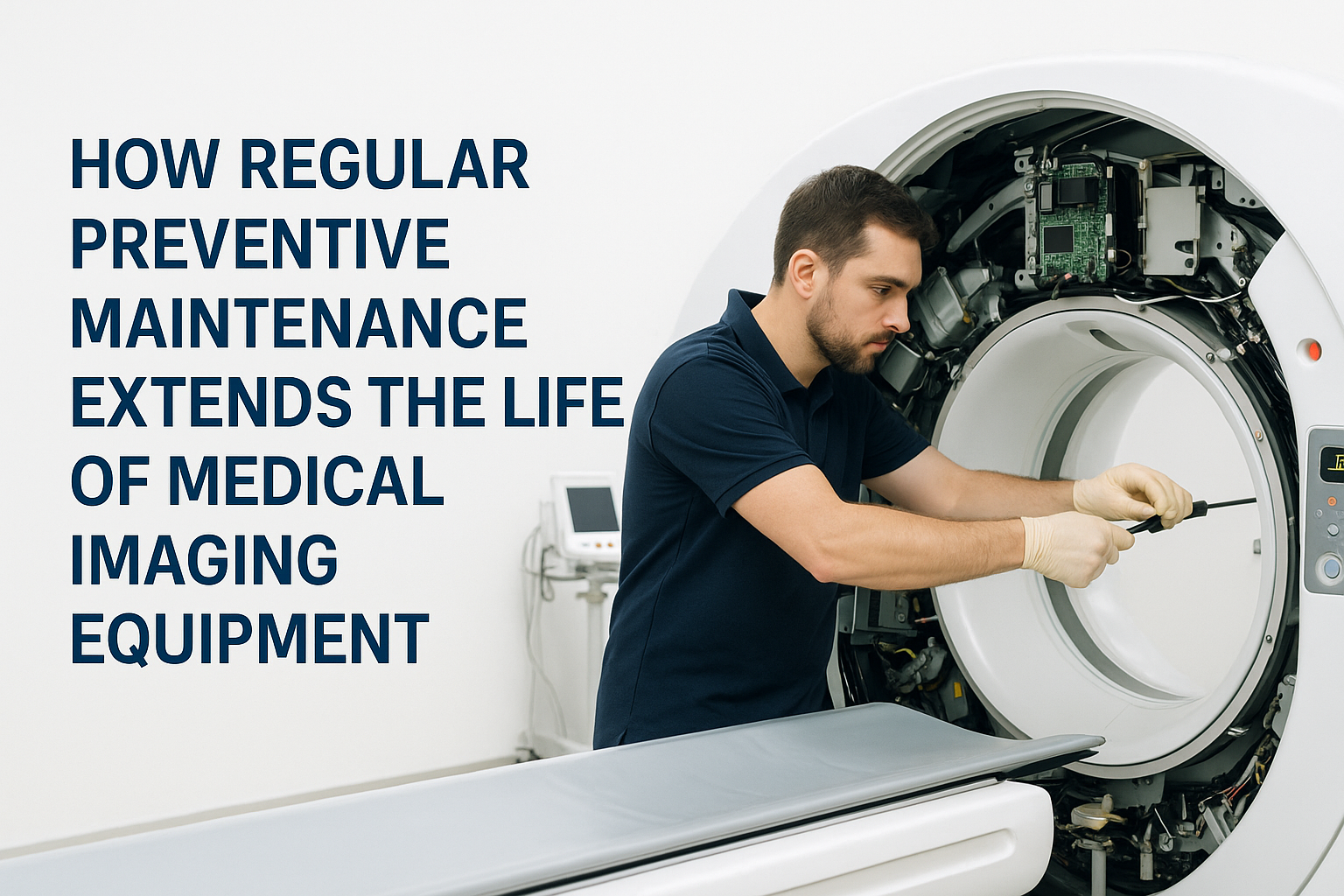
That’s where preventive maintenance (PM) plays a critical role. Instead of waiting for failures to occur, PM focuses on timely inspections, calibrations, part replacements, and software updates — extending equipment life, maintaining image quality, and reducing operational costs.
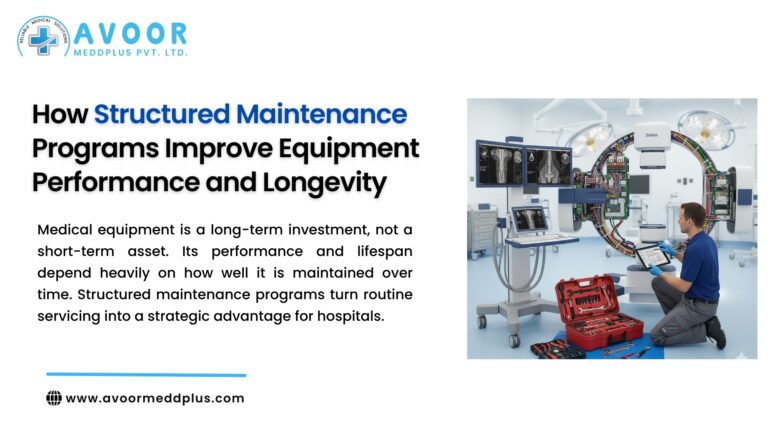
1. Extends Equipment Lifespan and Reduces Replacement Costs
Medical imaging systems are a long-term investment. Regular preventive maintenance helps:
- Detect early signs of wear and tear before they escalate.
- Prevent critical component failures that can shorten machine life.
- Minimize costly emergency repairs and unplanned downtime.
👉 Hospitals that follow structured maintenance schedules can extend the operational life of their imaging systems by 3–5 years, delaying expensive replacements.
2. Maintains Diagnostic Accuracy and Image Quality
A well-maintained imaging machine delivers high-precision images, which directly impacts patient care. Preventive maintenance ensures:
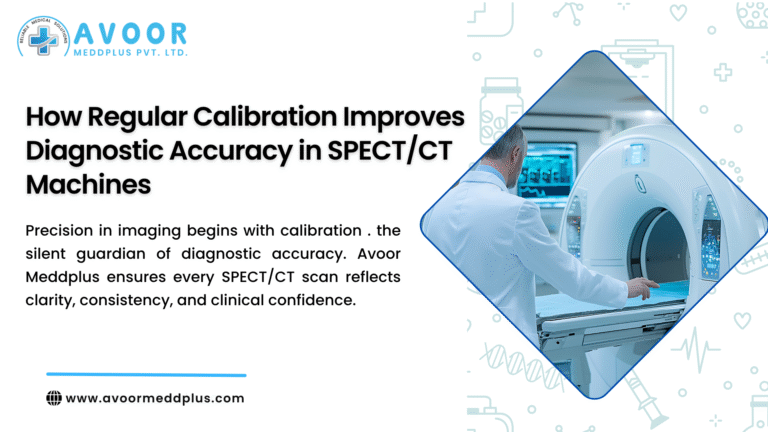
- Calibration accuracy of detectors and image reconstruction systems.
- Consistent output quality over years of operation.
- Reduced risk of artifacts and diagnostic errors.
⚡ Even a slight miscalibration can affect image clarity — impacting clinical decisions and patient outcomes.
3. Improves Equipment Uptime and Workflow Efficiency
When machines break down unexpectedly, patient schedules get disrupted, technicians lose productivity, and hospitals face financial losses. Through PM, you can:
- Schedule maintenance during non-peak hours to avoid workflow interruptions.
- Identify and replace weak components before they fail.
- Achieve 95%+ equipment uptime, ensuring uninterrupted service.
✅ Avoor Meddplus focuses on predictive and preventive service strategies, not just reactive repair.
4. Ensures Compliance with Regulatory & Quality Standards
Healthcare institutions are required to maintain equipment as per ISO 13485, NABH, and other regulatory frameworks. Regular PM helps you:
- Stay audit-ready with proper service documentation.
- Comply with manufacturer’s service guidelines.
- Maintain safe operating conditions for patients and operators.
📄 Regulatory compliance isn’t just a requirement — it’s a trust signal for patients and partners.
5. Reduces Total Cost of Ownership (TCO)
A well-designed PM program results in:
- Lower frequency of major repairs.
- Optimized use of spare parts and consumables.
- Better ROI on equipment investment.
💰 In many hospitals, preventive maintenance saves up to 30% of lifetime operational costs compared to reactive service models.
6. Strengthens Vendor & Service Reliability
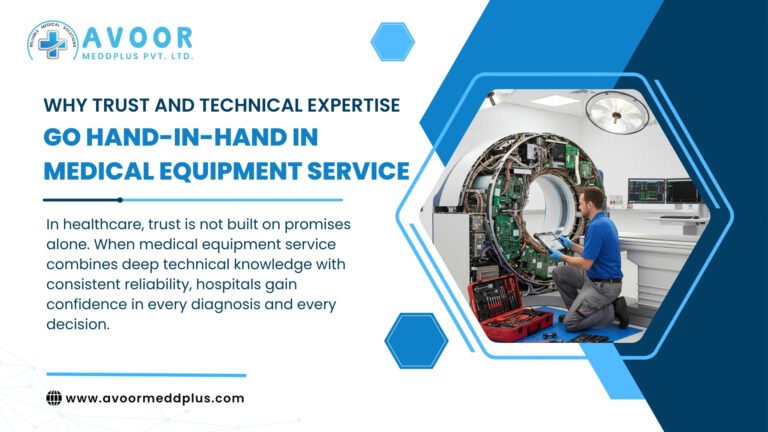
When you work with a certified service provider like Avoor Meddplus, you benefit from:
- Experienced, OEM-trained engineers.
- Genuine spare parts and calibration tools.
- Predictable service schedules that minimize surprises.
🤝 Reliable service support ensures your imaging systems operate at peak performance — year after year.
Conclusion: Prevention Is Always Better Than Repair
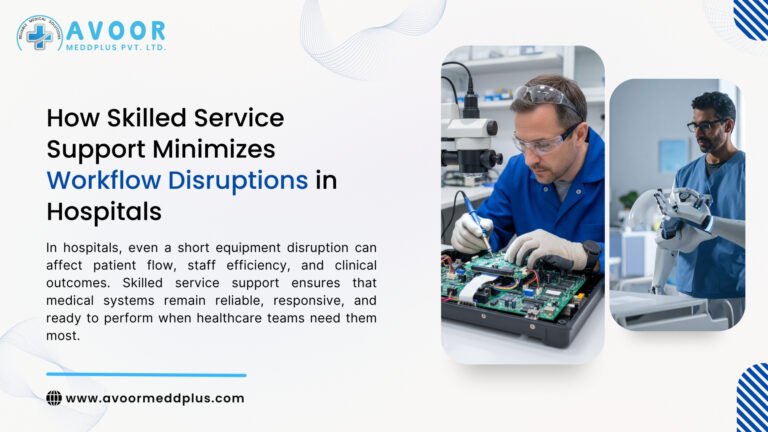
In medical imaging, a single hour of downtime can disrupt patient care, impact revenue, and strain hospital workflows. Regular preventive maintenance isn’t just a technical task — it’s a strategic investment in performance, compliance, and patient trust.
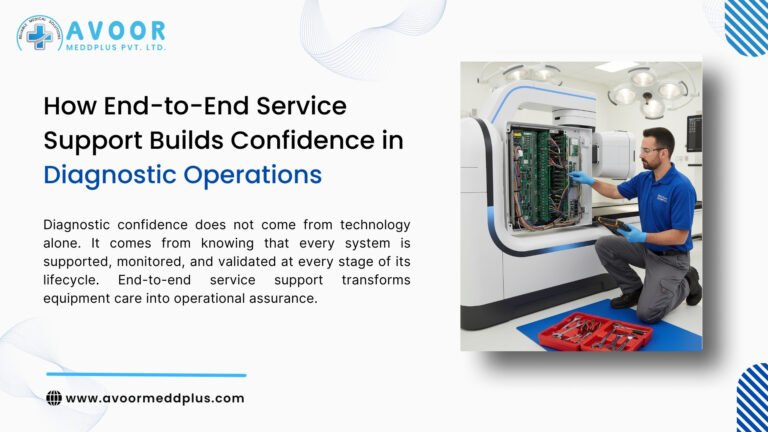
🛠️ At Avoor Meddplus, we provide ISO 13485-certified preventive maintenance programs for CT, DR, C-ARM, PET/CT, and SPECT/CT systems. Our expert team ensures your equipment stays reliable, accurate, and compliant.
📞 Call to Action
Maximize uptime. Protect your investment. Enhance diagnostic accuracy.
👉 Contact Avoor Meddplus today to schedule your preventive maintenance program.