Introduction
Medical equipment preventive diagnostics medical equipment reliability is essential for consistent patient care, accurate diagnosis, and smooth hospital operations. From CT and PET/CT systems to DR, C-ARM, and nuclear medicine equipment, reliability directly affects workflow efficiency and clinical confidence. However, reliability does not happen by chance, it is built through structured monitoring and proactive strategies.
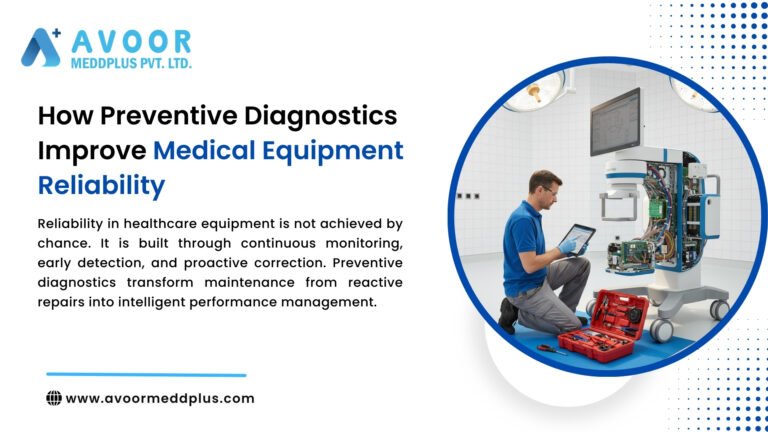
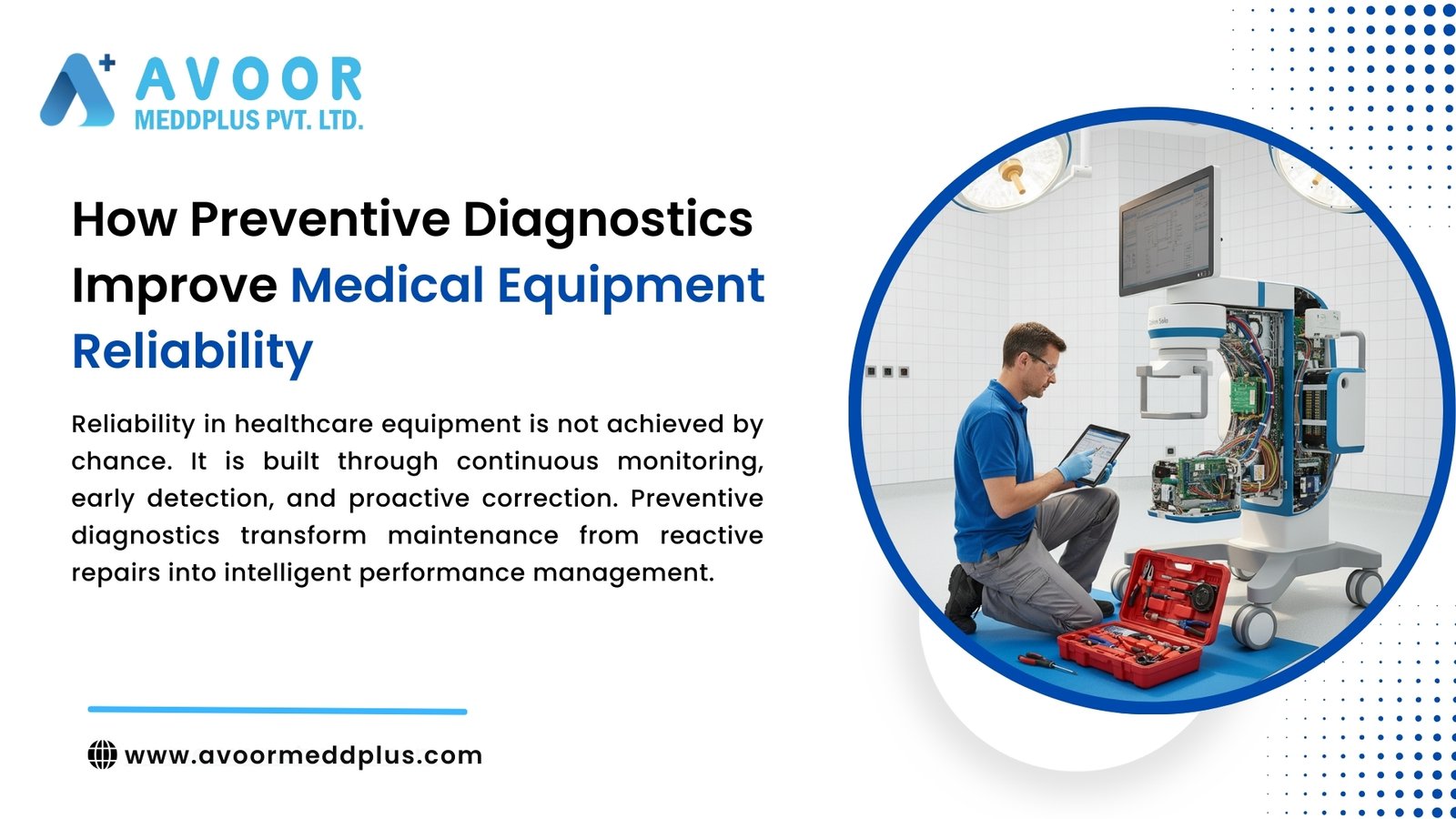
One of the most effective approaches is preventive diagnostics. Preventive diagnostics improve medical equipment reliability by identifying performance issues before they become failures. Instead of reacting to breakdowns, hospitals can use data-driven insights and routine checks to maintain stability and extend equipment lifespan. At Avoor Meddplus Pvt Ltd, preventive diagnostics are integrated into maintenance programs to ensure consistent performance and minimized downtime.
1. What Are Preventive Diagnostics?
Preventive diagnostics refer to systematic performance evaluations and health monitoring processes performed before equipment failure occurs. Unlike reactive troubleshooting, preventive diagnostics medical equipment reliability focus on early detection.
Key elements include:
- System performance testing
- Calibration trend monitoring
- Error log analysis
- Thermal and electrical inspections
- Radiation output verification
By continuously evaluating system health, preventive diagnostics improve medical equipment reliability across all departments.
2. Why Reliability Is Critical in Healthcare
Reliable equipment ensures:
- Accurate clinical decisions
- Timely patient diagnosis
- Reduced workflow interruptions
- Lower operational stress
- Increased patient trust
Even short periods of equipment downtime can disrupt schedules and compromise care quality. Preventive diagnostics minimize these risks by stabilizing system performance.
3. How Preventive Diagnostics Improve Medical Equipment Reliability
1️⃣ Early Detection of Performance Drift
Medical equipment may gradually drift from optimal preventive diagnostics medical equipment reliability performance without showing obvious warning signs. Calibration shifts, detector instability, or minor mechanical wear can degrade results over time.
Preventive diagnostics identify:
- Subtle image artifacts
- Dose inconsistencies
- Electrical irregularities
- Cooling system inefficiencies
Early intervention prevents minor deviations from escalating into major breakdowns.
2️⃣ Reduction of Unexpected Downtime
Unplanned downtime is often caused by undetected issues. Preventive diagnostics improve medical equipment reliability by catching problems before failure occurs.
Benefits include:
- Fewer emergency repairs
- Better uptime consistency
- Reduced patient rescheduling
- Improved departmental workflow
Reliability increases when surprises decrease.
3️⃣ Data-Driven Maintenance Planning
Preventive diagnostics generate valuable data about equipment behavior. Trend analysis helps biomedical engineers predict potential component failure and schedule maintenance accordingly.preventive diagnostics medical equipment reliability
Data-driven decisions allow:
- Planned part replacements
- Strategic spare inventory management
- Reduced repair escalation
Predictive planning strengthens long-term reliability.
4. 6 Key Benefits of Preventive Diagnostics
1️⃣ Improved Diagnostic Accuracy
Consistent calibration ensures imaging systems produce accurate, high-quality results.
2️⃣ Extended Equipment Lifespan
Early detection reduces stress on components, extending operational life.
3️⃣ Lower Long-Term Costs
Preventing failures is more cost-effective than handling major breakdowns.
4️⃣ Enhanced Patient Safety
Routine radiation and electrical safety checks reduce clinical risk.
5️⃣ Regulatory Compliance Support
Documented preventive diagnostics support accreditation and audit readiness.
6️⃣ Increased Clinical Confidence
When equipment reliability is predictable, clinicians can trust diagnostic outcomes.
5. Preventive Diagnostics Across Imaging Modalities
CT & PET/CT Systems
- Gantry alignment verification
- Detector sensitivity testing
- Dose calibration
- Cooling and power monitoring
DR & CR Systems
- Flat-panel detector performance checks
- Exposure linearity testing
- Image uniformity validation
C-ARM Systems
- Fluoroscopy brightness stability
- Radiation dose accuracy
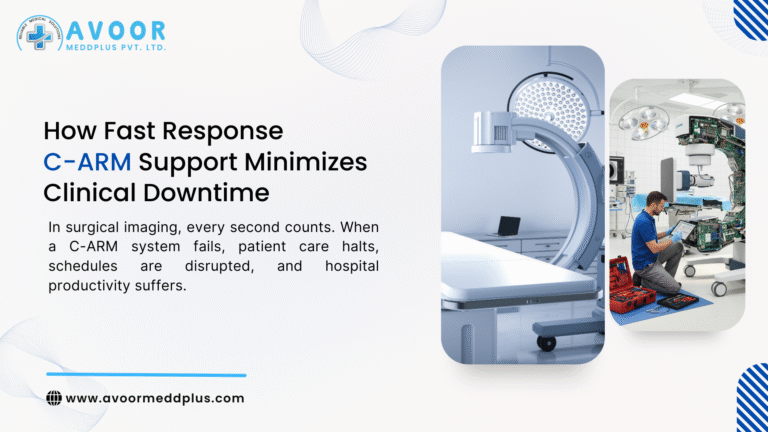
- Mechanical performance evaluation
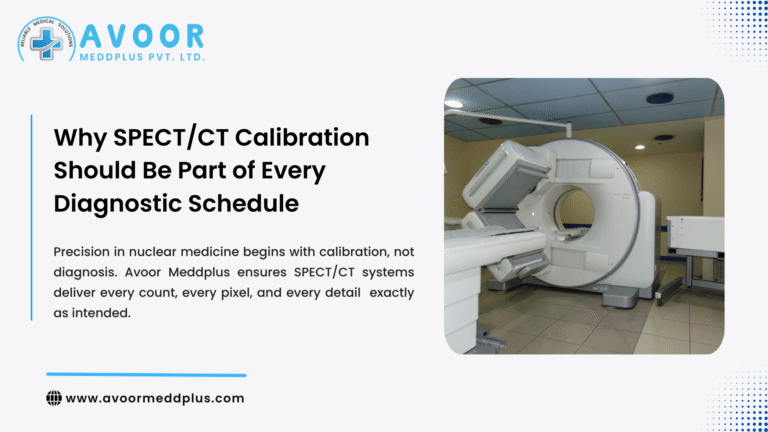
SPECT/CT & Nuclear Medicine
- Energy peaking
- Uniformity correction
- Fusion alignment accuracy
Each modality requires specialized preventive diagnostics to maintain reliability.
6. Role of Biomedical Engineers in Preventive Diagnostics
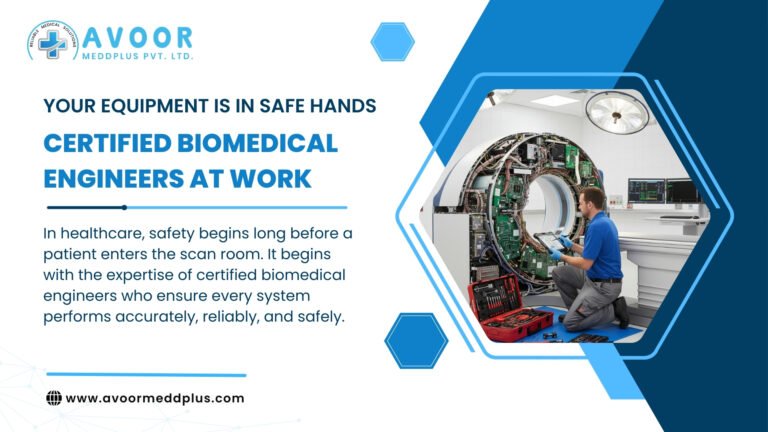
Certified biomedical engineers play a vital role in implementing preventive diagnostics. Their expertise enables them to:
- Interpret system data and logs
- Identify early warning signs
- Perform precise calibration
- Ensure safety compliance
- Document performance trends
Skilled engineers transform preventive diagnostics from routine checks into strategic reliability tools.
7. Preventive Diagnostics vs Reactive Repairs
| Aspect | Preventive Diagnostics | Reactive Repair |
|---|---|---|
| Failure Detection | Early | After breakdown |
| Downtime | Minimal | Often extended |
| Cost | Controlled | Escalated |
| Safety | Proactively managed | Risk-prone |
| Equipment Lifespan | Extended | Reduced |
This comparison clearly shows how preventive diagnostics improve medical equipment reliability more effectively than reactive approaches.
8. How Avoor Meddplus Pvt Ltd Enhances Equipment Reliability
Avoor Meddplus integrates preventive diagnostics into structured service programs by providing:
- Scheduled performance evaluations
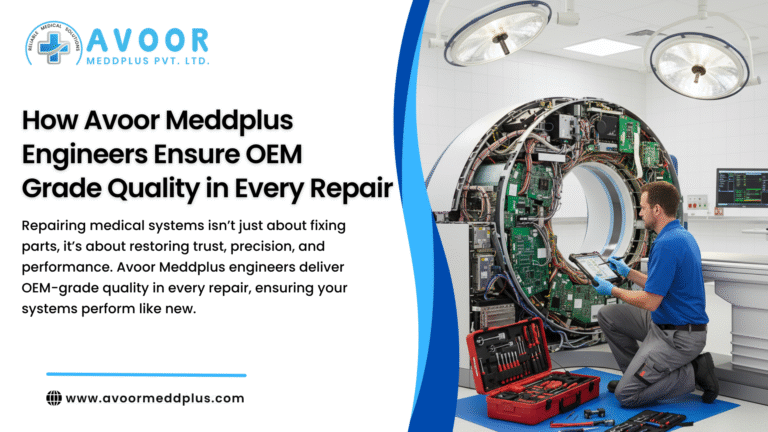
- OEM-grade calibration and validation
- PCB-level repair expertise
- Trend-based maintenance planning
- Radiation and electrical safety testing
- Transparent service documentation
- Nationwide service coverage
This comprehensive approach ensures reliability is continuously monitored and strengthened.
Conclusion
Reliable medical equipment is essential for quality healthcare delivery. Preventive diagnostics improve medical equipment reliability by detecting issues early, supporting accurate calibration, reducing downtime, and extending system lifespan.
Hospitals that adopt preventive diagnostics strategies experience improved uptime, stronger compliance, and higher clinical confidence. With proactive monitoring and expert engineering support from Avoor Meddplus, medical equipment becomes not just functional, but consistently reliable, safe, and performance-driven.